Best Screen Material for Porch Enclosures: 2026 Buyer Guide
Discover the best screen material for porch enclosures in 2026. Compare fiberglass, aluminum, bronze, and pet screens with costs, mesh specs, and lifespans.

The Core Contenders: Porch Screen Materials Analyzed
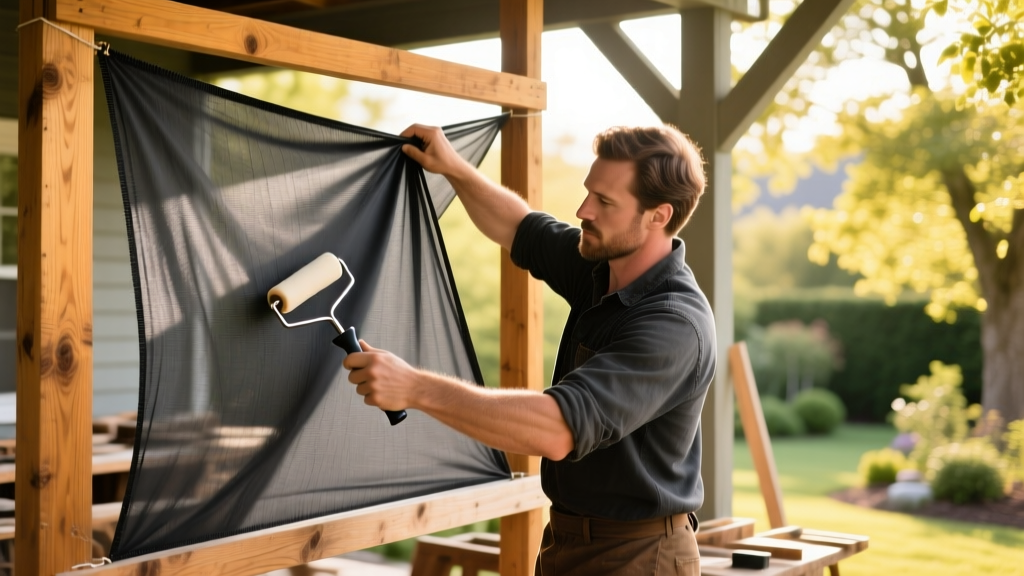
Selecting the best screen material for porch enclosures requires balancing visibility, structural rigidity, budget, and environmental resistance. A porch screen is not merely a bug barrier; it is a structural membrane that must withstand wind loads, UV degradation, and physical impact. Below is a technical breakdown of the primary materials used in residential and commercial porch enclosures.
Fiberglass: The Industry Standard
Fiberglass remains the most widely installed porch screen material due to its flexibility, ease of installation, and cost-effectiveness. Standard fiberglass utilizes an 18x16 mesh count (18 threads per inch vertically, 16 horizontally) with a strand thickness of roughly 0.011 inches.
For porches where outward visibility is paramount, upgraded options like Saint-Gobain ADFORS BetterVue utilize a 20x20 mesh with thinner strands. This denser, finer weave actually improves visibility by up to 25% while maintaining insect exclusion. Fiberglass is inherently rust-proof and immune to galvanic corrosion, making it the safest choice for frames constructed with modern pressure-treated lumber.
Aluminum: Rigidity and Coastal Challenges
Aluminum screening offers superior rigidity compared to fiberglass, resisting sagging on large, unsupported panels. Standard aluminum screen features an 18x16 mesh and a strand diameter of 0.011 inches. Charcoal and black powder-coated aluminum options reduce solar glare and improve outward visibility.
However, aluminum is highly susceptible to denting from hail or physical impact. More critically, it is prone to galvanic corrosion when installed in coastal environments (salt spray) or when placed in direct contact with modern ACQ (Alkaline Copper Quaternary) or CA-C pressure-treated wood. The alkaline copper in the wood rapidly oxidizes bare aluminum, causing the screen to disintegrate at the spline groove within a single season.
Bronze and Copper: The Architectural Premium
For high-end architectural projects, bronze screening (typically a 90% copper / 10% zinc alloy) provides unmatched longevity and aesthetic appeal. Bronze screen starts with a bright, metallic copper finish that weathers to a dark, matte brown or verdigris patina over 12 to 18 months.
Bronze is exceptionally strong, highly resistant to coastal salt corrosion, and naturally deters certain insects due to its metallic composition. The primary drawback is cost and workability; it requires specialized heavy-duty spline tools and careful handling to avoid permanent creasing during installation.
High-Performance Polyester: Pet and Impact Resistant
When standard materials fail against claws, branches, or heavy debris, high-performance polyester screens step in. Products like Phifer TuffScreen utilize a heavy-duty 17x20 polyester mesh coated in a protective vinyl layer. The strand thickness jumps to 0.035 inches—more than three times thicker than standard fiberglass.
This material is virtually tear-proof against pets and resists impact from golf balls or heavy windblown debris. The trade-off is a slight reduction in outward visibility and airflow (reducing breeze by roughly 15-20%) and a significantly higher price point.
Head-to-Head Material Comparison Matrix
| Material Type | Standard Mesh | Strand Thickness | Cost per Sq. Ft. | Visibility / Airflow | Pet / Impact Resistance | Expected Lifespan |
|---|---|---|---|---|---|---|
| Standard Fiberglass | 18x16 | 0.011" | $0.15 - $0.25 | Good / Excellent | Poor | 5 - 7 Years |
| Premium Fiberglass (BetterVue) | 20x20 | 0.009" | $0.30 - $0.45 | Excellent / Excellent | Poor | 7 - 10 Years |
| Standard Aluminum | 18x16 | 0.011" | $0.25 - $0.40 | Good / Good | Fair (Dents easily) | 10 - 15 Years |
| Bronze (Architectural) | 18x16 | 0.011" | $1.80 - $2.75 | Good / Good | Good | 25+ Years |
| Pet-Resistant Polyester | 17x20 | 0.035" | $0.85 - $1.30 | Fair / Fair | Excellent | 10 - 15 Years |
Critical Failure Modes & Installation Gotchas
Even the best screen material for porch enclosures will fail prematurely if installed incorrectly. Professional installers and advanced DIYers must account for the following structural and chemical failure modes.
The Galvanic Corrosion Trap
If you are framing your porch with modern pressure-treated lumber (stamped ACQ, CA-C, or MCQ), you must never install bare aluminum screening directly into the wood. The copper preservatives act as a cathode, and the aluminum acts as an anode, creating a galvanic cell when moisture is present. According to Fine Homebuilding best practices, the resulting corrosion will turn the aluminum screen to white powder and snap it at the spline groove within months. Solution: Use fiberglass, bronze, or apply a physical vinyl barrier tape to the wood groove before rolling in aluminum screen.
Spline Sizing and the 'Bow' Effect
The rubber or vinyl cord (spline) that locks the screen into the frame groove is just as critical as the mesh. A common failure is using a spline that is too thick, which stretches the screen excessively and causes the frame to 'bow' inward.
Large Panel Sag in Fiberglass
Fiberglass lacks the tensile memory of metal meshes. On porch panels wider than 48 inches or taller than 72 inches, fiberglass will inevitably sag in the center over time, creating a 'belly' that collects debris and ruins the aesthetic. For oversized architectural panels, you must either install horizontal mid-rails to break up the span or upgrade to aluminum or heavy-duty polyester mesh, which can be tensioned much tighter without yielding.
Decision Framework: Choosing Your Exact Material
Use this conditional framework to select the precise material for your specific porch environment:
- If you have large dogs or active children: Choose Pet-Resistant Polyester (Phifer TuffScreen). The 0.035" thickness prevents claw tears and blunt-force punctures.
- If you are building near the ocean (salt spray): Choose Bronze or Fiberglass. Avoid aluminum entirely unless it is heavily marine-grade powder-coated and isolated from metal fasteners.
- If you are using pressure-treated pine frames: Choose Fiberglass or Bronze. Never use aluminum without a separator tape.
- If outward view and aesthetics are the top priority: Choose Premium 20x20 Fiberglass (BetterVue) in charcoal. The thinner threads practically disappear from the interior looking out.
- If you are on a strict budget for a rental property: Choose Standard 18x16 Fiberglass. It is cheap, easy for tenants or handymen to patch, and universally available at big-box stores.
Frequently Asked Questions
What color screen provides the best visibility?
Charcoal and black screens provide significantly better outward visibility than gray or white screens. Dark colors absorb light rather than reflecting it, which reduces solar glare and allows the human eye to focus past the mesh to the outdoor environment. As noted in Phifer's official selection guidelines, charcoal mesh can improve optical clarity by up to 15% compared to standard gray.
Can I install new screen over existing old screen?
No. Layering screens destroys visibility, traps moisture between the meshes (leading to mold and frame rot), and prevents the new spline from seating properly in the groove. Always use a flathead screwdriver or specialized spline removal tool to extract the old spline and mesh before installing new material.
Does screen mesh block UV rays and heat?
Standard insect screens block roughly 10% to 15% of UV rays and offer negligible heat reduction. If your porch requires solar heat management, you must upgrade to a dedicated solar screen (like Phifer SunTex 80 or 90). These specialized polyester meshes block up to 90% of solar heat gain, but they are significantly darker and will reduce outward visibility and porch lighting.
For further reading on structural framing requirements for screened enclosures, consult the comprehensive screening guides at Bob Vila to ensure your porch framework can handle the wind-load tension of heavy-duty meshes.
Written by
Marcus ChenMarcus Chen is a licensed structural engineer (PE) and building materials analyst with over 12 years of experience across residential, commercial, and industrial construction. He holds a Master of Science in Civil Engineering from UC Berkeley and spent six years at Thornton Tomasetti before transitioning to independent consulting and technical writing. Marcus specializes in material selection for seismic-prone regions, concrete reinforcement strategies, and lifecycle cost analysis. His work has been cited by the American Concrete Institute (ACI) and the Structural Engineers Association of California (SEAOC). When he is not on a job site or at his desk, you will find him hiking the Sierra Nevada or restoring a 1920s craftsman bungalow in Oakland, CA.
More from Marcus Chen
View all
Construction Cost
How Much Did the Eiffel Tower Cost to Build?
How much did the Eiffel Tower cost to build in 1889? We adjust for inflation and compare its budget to modern skyscraper construction.
Aug 4, 2026

Fire Resistance
What Is a Fire Resistant Material? Testing & Certification Guide
Discover what is a fire resistant material through ASTM and UL testing. Learn how fire ratings, certifications, and assemblies work in construction.
Aug 4, 2026

Construction Cost
How Much Did the Burj Khalifa Cost to Build?
How much did the Burj Khalifa cost to build? We break down the $1.5B project and extract 5 money-saving strategies for your next build.
Jul 30, 2026