Best Screen Material for Windows: Fiberglass vs Aluminum
Discover the best screen material for windows. Compare fiberglass, aluminum, and pet-proof polyester with pricing, mesh counts, and durability data.

The Physics of Window Screens: Airflow vs. Solar Heat Gain
Selecting the best screen material for windows requires balancing three competing physical properties: optical transparency, aerodynamic porosity, and solar heat rejection. According to the U.S. Department of Energy (DOE), exterior window attachments like solar screens can reduce solar heat gain by up to 70% before the sun's energy ever penetrates the glass. However, standard insect screens also provide a measurable shading coefficient. A standard 18x16 charcoal fiberglass screen reduces solar heat gain by approximately 10% to 15%, while specialized exterior shading meshes can block up to 90% of UV radiation.
A common misconception is that lighter-colored screens provide better outward visibility. In reality, charcoal or black screens offer superior optical clarity. Dark pigments absorb ambient light rather than reflecting it, which minimizes surface glare and allows the human eye to focus past the mesh to the outdoor environment. Light-colored screens reflect sunlight, creating a visual barrier that obscures your view from the inside.
Material Comparison Matrix: Fiberglass, Aluminum, Polyester, and Steel
The table below breaks down the exact specifications, market pricing, and primary failure modes for the four dominant window screen materials available in 2026.
| Material Type | Standard Mesh Count | Yarn/Wire Diameter | Avg. Cost (per sq ft) | Airflow Reduction | Primary Failure Mode |
|---|---|---|---|---|---|
| Standard Fiberglass | 18x16 | 0.011 inches | $0.15 - $0.25 | ~15% | UV degradation and pet punctures |
| Aluminum Wire | 18x16 | 0.009 - 0.011 inches | $0.20 - $0.35 | ~15% | Oxidation and galvanic corrosion |
| PVC-Coated Polyester (Pet) | 17x14 (Varies) | 0.035 - 0.045 inches | $0.80 - $1.20 | ~30% - 40% | Excessive tension warping frames |
| 316 Stainless Steel (Security) | Micro-mesh | 0.031 inches (0.8mm) | $4.00 - $8.00 | ~45% - 55% | Frame failure under impact load |
Deep Dive: Selecting the Best Screen Material for Windows by Scenario
There is no universal 'best' screen; the optimal choice depends entirely on your environmental variables and household requirements. Below are the specific material recommendations for the most common architectural scenarios.
Scenario 1: High UV Exposure and Solar Heat Reduction
If your primary goal is mitigating solar heat gain on south- or west-facing elevations, standard fiberglass will not suffice. You need a high-density PVC-coated polyester solar screen, such as Phifer SunTex 80 or 90. These materials feature a tighter weave and thicker yarns (often 0.025 inches or larger) designed specifically to intercept and reflect solar radiation. While they drastically reduce cooling costs and protect interior furnishings from UV fading, they also reduce natural light transmission by 20% to 40% and restrict airflow. Use these selectively on windows receiving direct, unshaded afternoon sun.
Scenario 2: Coastal and High-Humidity Environments
Aluminum screens are strictly contraindicated for coastal properties or homes utilizing modern pressure-treated lumber (which contains copper-based preservatives like ACQ or copper azole). When aluminum comes into contact with salt spray or copper-treated wood in the presence of moisture, it triggers rapid galvanic corrosion, turning the screen into a brittle, powdery mess within a single season. For coastal applications, the best screen material for windows is either standard charcoal fiberglass or, for high-end security and longevity, 316 marine-grade stainless steel. Avoid 304 stainless steel in salt-air zones, as it is susceptible to pitting corrosion.
Scenario 3: Pet Owners and High-Traffic Zones
Standard 0.011-inch fiberglass tears instantly under the weight of a climbing cat or the scratch of a dog. For ground-level windows and sliding patio doors, upgrade to a heavy-duty PVC-coated polyester pet screen. These materials are up to seven times thicker (0.035 to 0.045 inches) and possess immense tensile strength. The trade-off is visibility and airflow; the thick yarns create a noticeable grid pattern and restrict breezes. Limit pet screen installation to the bottom half of double-hung windows or specific high-traffic patio doors to maintain cross-ventilation in the rest of the home.
Scenario 4: No-See-Ums and Micro-Insect Defense
Standard 18x16 mesh (18 threads per inch vertically, 16 horizontally) easily blocks houseflies and standard mosquitoes. However, it is entirely ineffective against no-see-ums (biting midges) and tiny gnats. The Centers for Disease Control and Prevention (CDC) notes that fine mesh is critical for excluding smaller disease vectors. To block no-see-ums, you must upgrade to a 20x20 mesh fiberglass or a specialized stainless steel micro-mesh. Be aware that moving from 18x16 to 20x20 reduces airflow by an additional 10% to 15%, which can make screened porches feel stagnant in high-humidity climates.
Never install aluminum screens using steel spline or steel tension springs. The dissimilar metals, combined with atmospheric moisture, will create a galvanic cell that rapidly rusts the steel and oxidizes the aluminum. Always use aluminum or vinyl-coated steel springs, and ensure your spline is vinyl, EPDM rubber, or foam.
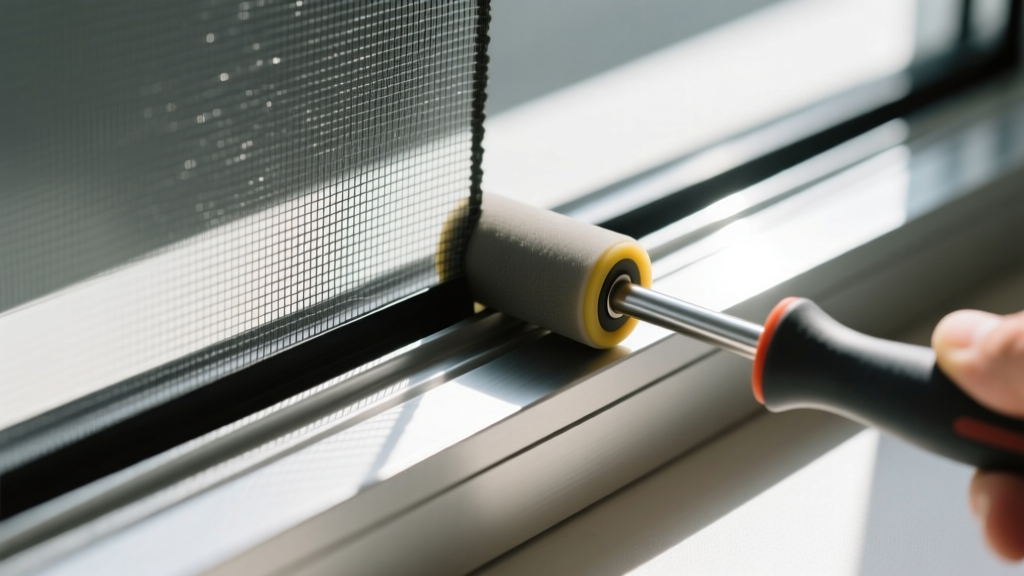
Installation Edge Cases: Spline Sizing and Tensioning
The most common cause of premature screen failure is improper spline sizing during installation. The spline is the rubber or vinyl cord that locks the mesh into the frame's groove. The general rule of thumb for standard fiberglass is to select a spline diameter that is 0.015 to 0.020 inches larger than the groove width. For example, a frame with a 0.125-inch (1/8-inch) groove requires a 0.140-inch spline to ensure a friction lock.
However, this rule flips entirely when installing thick pet screen or solar screen. Because the mesh itself is so thick, adding an oversized spline will overfill the groove. The spline will refuse to seat fully, and the immense tension will cause it to pop out of the frame on hot days when the vinyl expands. When installing 0.035-inch pet screen into a standard 0.125-inch groove, you must downsize to a 0.115-inch or 0.100-inch spline to account for the mesh volume.
Furthermore, tensioning must be done in a specific sequence to prevent bowing aluminum frames. Always roll the spline into the top corner, then pull the mesh taut and roll the opposite bottom corner. Follow with the remaining two corners, and finally roll the centers of the four sides. Over-tensioning fiberglass on lightweight 0.020-inch aluminum frames will cause the long sides of the window frame to bow inward, preventing the sash from sliding properly.
Frequently Asked Questions
- Does the color of the screen material affect its lifespan?
Yes. Charcoal and black pigments absorb more UV radiation than gray or white pigments. While this improves outward visibility, it accelerates the breakdown of the PVC binders in fiberglass. Expect charcoal fiberglass to last 5 to 7 years in high-sun environments, whereas gray fiberglass may last 8 to 10 years. - Can I use stainless steel security screens on standard vinyl windows?
Generally, no. 316 stainless steel security mesh is incredibly rigid and heavy. Standard hollow-chamber vinyl window frames lack the structural rigidity to support the weight and tension of security mesh without warping or breaking the welds at the corners. Security screens require heavy-duty extruded aluminum frames. - How do I clean PVC-coated polyester screens without damaging them?
Avoid high-pressure washers, which can delaminate the PVC coating from the polyester core. Use a soft-bristle brush and a mild solution of dish soap and warm water. Rinse with a standard garden hose on a low-pressure setting.
Written by
David NakamuraDavid Nakamura is a licensed architect (AIA) and construction technology writer focused on sustainable building methods, mass timber engineering, and high-performance building envelopes. He holds a Master of Architecture from the University of Washington and is a certified Passive House Consultant (CPHC). David spent eight years at the Seattle firm Mithun, where he led the design of three LEED Platinum projects, before founding his own practice specializing in net-zero residential design. He serves on the editorial advisory board of GreenBuilder Magazine and has authored peer-reviewed papers on cross-laminated timber (CLT) connections for the Journal of Structural Engineering. In his spare time, David teaches woodworking at Pratt Fine Arts Center and kayaks the Puget Sound.
More from David Nakamura
View all
Construction Cost
Labor Cost to Build a Deck Per Sq Ft: 2026 Installation Guide
Discover the exact labor cost to build a deck per sq ft in 2026. This installation guide breaks down contractor rates, complexity factors, and hidden fees.
Aug 4, 2026

Construction Cost
How Much Does It Cost to Build a 3 Bedroom House? Financing Guide
Learn exactly how much it costs to build a 3 bedroom house and explore 2026 financing options, construction loan types, and budget frameworks for your build.
Aug 4, 2026

Construction Cost
Cost to Build a Tennis Court: 2026 Guide
How much does it cost to build a tennis court in 2026? Breakdowns for asphalt, concrete, and synthetic surfaces plus fencing and lighting.
Jul 30, 2026