2026 Cost Analysis: Electrical Insulation Materials for Buildings
Compare 2026 costs for PVC, XLPE, and PTFE electrical insulation materials. Discover pricing, labor rates, and lifecycle ROI for building wiring.
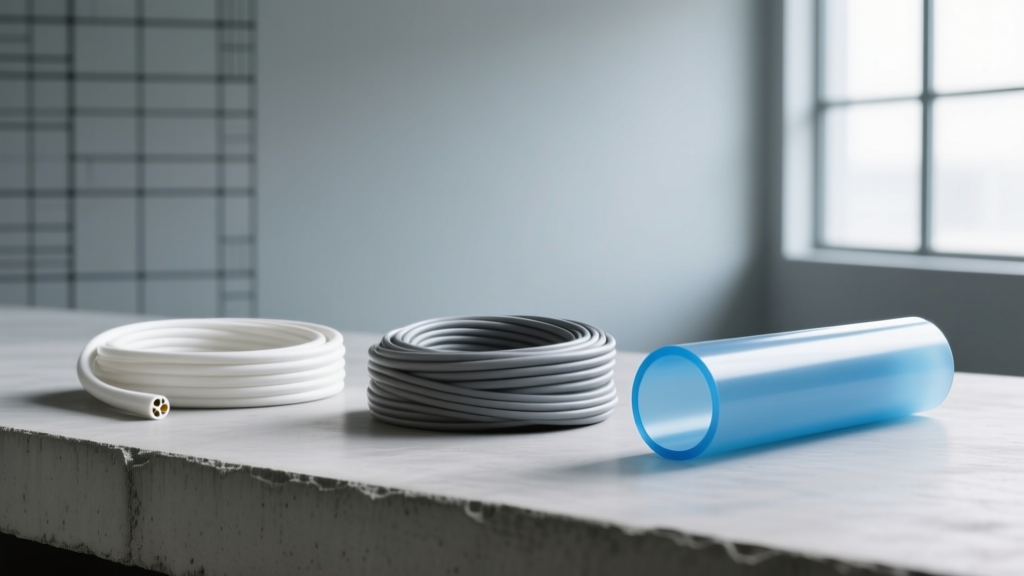
The 2026 Landscape of Building Electrical Insulation
Electrical infrastructure typically accounts for 10% to 15% of total commercial construction budgets, yet the insulation encasing these conductors dictates the system's operational lifespan, fire safety, and maintenance overhead. In 2026, the pricing dynamics for electrical insulation materials have shifted due to advanced polymer cross-linking technologies and stricter passive fire protection (PFP) mandates. Selecting the right dielectric barrier is no longer just about meeting the National Electrical Code (NEC) minimums; it is a complex lifecycle cost calculation balancing upfront capital expenditure (CapEx) against long-term operational expenditure (OpEx).
This cost analysis breaks down the pricing, installation labor multipliers, and failure-mode economics of the primary electrical insulation materials used in modern building wiring, switchgear, and busway systems.
Material Cost & Performance Matrix
The following matrix compares standard commercial-grade insulation materials based on a baseline 4/0 AWG copper conductor equivalent. Pricing reflects Q1 2026 bulk distributor averages for commercial projects.
| Material Type | Common Designation | 2026 Avg Cost (per lin. ft.) | Max Temp Rating | Dielectric Strength | Lifecycle Expectancy |
|---|---|---|---|---|---|
| PVC (Polyvinyl Chloride) | THHN / THWN-2 | $4.50 - $5.20 | 90°C (Dry) | 20 - 25 kV/mm | 20 - 25 Years |
| XLPE (Cross-linked PE) | XHHW-2 | $6.10 - $6.80 | 90°C (Wet/Dry) | 25 - 30 kV/mm | 35 - 40 Years |
| Silicone Rubber | High-Temp Flexible | $9.50 - $12.00 | 150°C - 200°C | 15 - 20 kV/mm | 30+ Years |
| PTFE (Teflon) | Aerospace / Chemical | $16.00 - $22.00 | 250°C | 40 - 60 kV/mm | 50+ Years |
| Mica Tape Composite | Fire Survival (PFP) | + $3.00 - $4.50 (Adder) | 950°C+ (Survival) | Depends on base | 2-Hr Circuit Integrity |
The Workhorses: PVC vs. XLPE Economics
For 80% of commercial branch circuits and feeder applications, the decision narrows down to PVC (typically THHN/THWN-2) and XLPE (XHHW-2). While PVC remains the lowest-cost option upfront, the economic argument for XLPE has strengthened significantly over the last decade.
Over a 20-year period, especially in conduits exposed to ambient temperatures above 35°C (95°F), the plasticizers in PVC insulation begin to migrate and volatilize. This causes the insulation to become brittle, leading to micro-cracking during thermal expansion/contraction cycles. Once moisture ingress occurs, dielectric breakdown and ground faults follow. The cost to pull and replace 500 feet of 4/0 AWG feeder in an occupied commercial building averages $14,500 in labor and downtime alone—eclipsing the initial material savings by a factor of ten.
Calculating the XLPE Premium
Upgrading from PVC to XLPE for a standard 2,000-square-foot commercial build-out (requiring roughly 4,500 linear feet of mixed feeder and branch wiring) adds approximately $6,300 to the raw material budget. However, XLPE’s cross-linked molecular structure eliminates plasticizer migration and offers superior resistance to partial discharge. When factoring in the DOE building energy codes and modern thermal management standards for densely packed conduit runs, XLPE’s ability to maintain its 90°C rating in wet environments makes it the undisputed ROI winner for commercial feeders.
High-Performance & Fire-Rated Insulation
Specialized environments—such as hospital critical care wings, high-rise egress systems, and data center busways—require insulation that transcends standard thermal ratings.
- Mica Tape Composites: Used as an under-layer beneath standard sheathing in fire survival cables. Mica does not melt or combust; it calcifies into a hard, insulating shell. For emergency generator feeders and fire pump circuits, building codes mandate circuit integrity under fire conditions (UL 2196). The $3.50/ft adder for mica-wrapped conductors is non-negotiable for life-safety systems.
- PTFE (Polytetrafluoroethylene): Reserved for extreme chemical exposure or ultra-high-density switchgear where spatial constraints demand ultra-thin insulation walls with massive dielectric strength. At $18.00/ft, PTFE is rarely used in general building wiring but is critical in specialized industrial processing facilities integrated into mixed-use developments.
- Epoxy Resin (Busbars): For high-voltage bus ducts, cast epoxy resin insulation costs roughly 30% more than traditional heat-shrink tubing but provides a void-free, partial-discharge-resistant barrier that is essential for 15kV and 35kV indoor substations.
The Labor Multiplier: Termination and Stripping Costs
Material cost is only half the equation. The physical properties of electrical insulation materials directly dictate electrician labor hours. In 2026, with commercial electrician burden rates averaging $115 to $145 per hour, termination inefficiencies can destroy a project's margin.
"We bid a data center project using PTFE-insulated control wiring to meet a strict outgassing spec. The material cost was high, but the real budget killer was termination. PTFE is incredibly tough; it dulls standard stripping blades and requires thermal stripping or meticulous scoring. Our termination labor increased by 40% compared to standard PVC." — Senior Estimator, Tier 1 Electrical Contractor
Labor Impact by Material
- PVC (THHN): Baseline labor (1.0x). Strips cleanly with standard mechanical tools. Nylon outer jacket can be slippery but is easily managed.
- XLPE (XHHW-2): 1.1x labor multiplier. The cross-linked material requires sharper blades and slightly more force to score and strip without nicking the copper.
- Silicone Rubber: 1.2x labor multiplier. High flexibility and a high-friction surface make it difficult to push through long conduit runs, increasing pulling time.
- PTFE: 1.4x to 1.6x labor multiplier. Requires specialized tooling, thermal strippers, and extreme care during lug crimping to prevent insulation creep.
Strategic Decision Framework for 2026 Projects
To optimize your electrical insulation budget, apply this scenario-based framework during the design-assist phase:
Scenario A: Standard Commercial Office / Retail
Recommendation: Use PVC (THHN) for standard 15A/20A branch circuits where conduit runs are short and ambient temperatures are controlled. Upgrade to XLPE (XHHW-2) for all main switchgear feeders and rooftop unit (RTU) power drops exposed to high solar thermal loads.
Scenario B: Data Centers & Mission Critical
Recommendation: Specify XLPE exclusively for all power distribution. The risk of partial discharge in PVC under continuous 80%+ load conditions is unacceptable. For overhead busways, specify powder-coated or epoxy-insulated aluminum busbars to prevent dust accumulation and tracking. Adhere strictly to OSHA electrical safety guidelines regarding clearances and insulation integrity in high-current environments.
Scenario C: High-Rise Life Safety & Egress
Recommendation: Mandate Mica-tape composite insulation for all emergency lighting, stairwell pressurization fans, and fire pump feeders. While the material cost premium is roughly 25% over standard XHHW-2, it ensures compliance with 2-hour circuit integrity mandates, avoiding catastrophic inspection failures and rework.
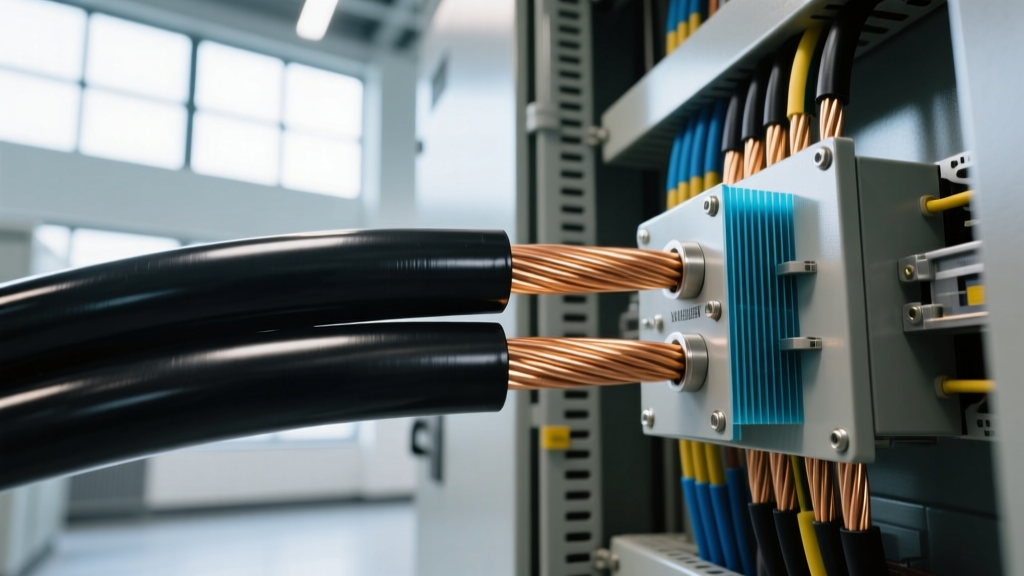
Final Cost Optimization Takeaways
The cheapest electrical insulation material on the supplier's quote is rarely the most economical choice for the building owner. By shifting the procurement focus from unit-cost to lifecycle-cost, and by accounting for the hidden labor multipliers of high-performance polymers, project teams can insulate their budgets against premature failure, hazardous outages, and exorbitant retrofit costs. Always align your dielectric selection with the specific thermal, chemical, and fire-safety realities of the building's end-use environment.
Written by
David NakamuraDavid Nakamura is a licensed architect (AIA) and construction technology writer focused on sustainable building methods, mass timber engineering, and high-performance building envelopes. He holds a Master of Architecture from the University of Washington and is a certified Passive House Consultant (CPHC). David spent eight years at the Seattle firm Mithun, where he led the design of three LEED Platinum projects, before founding his own practice specializing in net-zero residential design. He serves on the editorial advisory board of GreenBuilder Magazine and has authored peer-reviewed papers on cross-laminated timber (CLT) connections for the Journal of Structural Engineering. In his spare time, David teaches woodworking at Pratt Fine Arts Center and kayaks the Puget Sound.
More from David Nakamura
View all
Construction Cost
Labor Cost to Build a Deck Per Sq Ft: 2026 Installation Guide
Discover the exact labor cost to build a deck per sq ft in 2026. This installation guide breaks down contractor rates, complexity factors, and hidden fees.
Aug 4, 2026

Construction Cost
How Much Does It Cost to Build a 3 Bedroom House? Financing Guide
Learn exactly how much it costs to build a 3 bedroom house and explore 2026 financing options, construction loan types, and budget frameworks for your build.
Aug 4, 2026

Construction Cost
Cost to Build a Tennis Court: 2026 Guide
How much does it cost to build a tennis court in 2026? Breakdowns for asphalt, concrete, and synthetic surfaces plus fencing and lighting.
Jul 30, 2026