Gypsum Board 1/2 Cost Analysis: 2026 Material & Labor Pricing
Comprehensive cost analysis of gypsum board 1/2 inch for 2026. Breaks down material prices, labor rates, finishing costs, and hidden budget factors.

The True Cost of Gypsum Board 1/2: Beyond the Sheet Price
When estimating interior build-outs, the line item for gypsum board 1/2 inch panels is often the most visible, yet frequently misunderstood, component of the drywall budget. While contractors and homeowners fixate on the per-sheet price at the lumber yard, the actual installed cost is dictated by a complex matrix of labor rates, finishing levels, waste factors, and ancillary materials. In 2026, supply chain stabilization has normalized base material costs, but skilled labor shortages continue to push installation prices upward. This analysis dissects the real-world costs of 1/2-inch gypsum board, providing a precise framework for budgeting your next residential or commercial project.
2026 Quick Cost Snapshot: 1/2-Inch Gypsum Board
- Material Only (Standard 4x8): $12.00 – $16.00 per sheet ($0.38 – $0.50 / sq. ft.)
- Total Installed (Level 4 Finish): $1.85 – $2.60 per sq. ft.
- Total Installed (Level 5 Finish): $2.75 – $3.80 per sq. ft.
- Average 12x12 Room (144 sq. ft. floor, ~450 sq. ft. wall): $830 – $1,170 fully finished.
Material Costs: Standard vs. Specialty 1/2-Inch Panels
Not all 1/2-inch panels are created equal. While standard regular gypsum board is sufficient for most interior, climate-controlled walls, building codes and environmental factors often mandate specialty boards. According to Gypsum Association guidelines, selecting the correct panel type prevents costly remediation down the line. Below is the current market pricing for 4x8 foot (32 sq. ft.) sheets.
| Panel Type | Core / Facing | Price per 4x8 Sheet | Cost per Sq. Ft. |
|---|---|---|---|
| Standard Regular | Standard core / Paper | $12.00 – $15.00 | $0.38 – $0.47 |
| Lightweight (UltraLight) | Foamed core / Paper | $14.00 – $18.00 | $0.44 – $0.56 |
| Moisture/Mold Resistant | Treated core / Green or Blue Paper | $18.00 – $24.00 | $0.56 – $0.75 |
| Fire-Rated (Type X) | Glass-fiber reinforced / Paper | $18.00 – $23.00 | $0.56 – $0.72 |
| Soundproof (Acoustic) | Viscoelastic polymer / Heavy Paper | $45.00 – $65.00 | $1.40 – $2.03 |
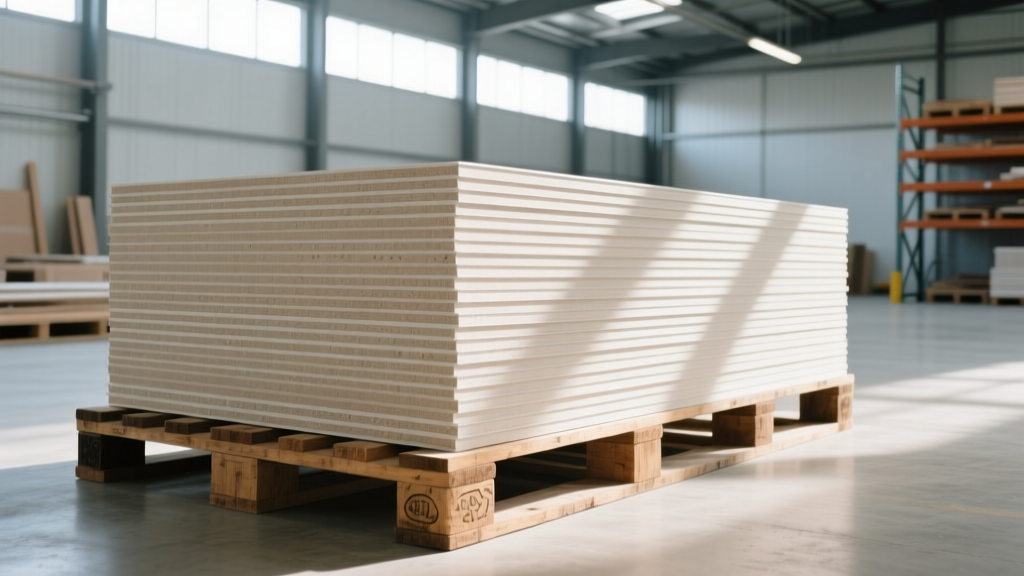
The Lightweight Advantage: Using 1/2-Inch on Ceilings
Historically, 5/8-inch gypsum board was the mandatory standard for ceiling applications to prevent sagging between joists spaced 24 inches on center. However, the introduction of advanced lightweight 1/2-inch panels (such as USG Sheetrock UltraLight or CertainTeed ToughRock) has fundamentally altered ceiling economics. These 1/2-inch lightweight boards are ICC-ES evaluated and code-approved for 24-inch o.c. ceiling framing.
By utilizing 1/2-inch lightweight board on ceilings instead of 5/8-inch standard board, contractors reduce the sheet weight by approximately 25% (dropping from ~70 lbs to ~52 lbs per 4x8 sheet). This drastically reduces installer fatigue, speeds up hanging time by up to 15%, and lowers the physical strain on ceiling joists, all while maintaining a lower per-sheet material cost compared to 5/8-inch alternatives.
Labor and Installation: The Hidden Budget Multiplier
Material costs typically account for only 30% to 40% of the total drywall budget. The remaining 60% to 70% is labor. According to comprehensive construction data from HomeGuide's 2026 drywall cost tracker, labor rates vary wildly based on the scope of work and regional union prevalence.
Hanging vs. Finishing Breakdown
- Hanging Only: $0.45 to $0.65 per square foot. This includes measuring, cutting, lifting, and screwing the boards to the framing. Complex layouts with numerous cutouts for electrical boxes, HVAC registers, and windows push this rate toward the higher end.
- Taping and Mudding (Level 4): $0.85 to $1.25 per square foot. This is the standard finish for residential walls receiving flat paint or light texture.
- Skim Coating (Level 5): Adds $0.60 to $1.10 per square foot on top of Level 4. Mandatory for walls receiving high-gloss paint, dark colors, or direct natural light from large windows.
Many general contractors bid projects assuming a Level 4 finish. If the architect specifies a Level 5 finish for critical lighting areas (e.g., long hallways with glancing natural light or ceilings with recessed can lights), the finishing labor cost will increase by 40% to 60%. Always verify the required finish level in the architectural specs before finalizing your labor subcontracts.
Ancillary Materials: Fasteners, Tape, and Joint Compound
Estimators frequently under-calculate the consumables required to hang and finish gypsum board 1/2 inch panels. A standard 4x8 sheet requires approximately 32 to 36 screws when installed on walls, and up to 45 screws on ceilings.
- Fasteners: Use 1-1/4 inch coarse-thread drywall screws for wood framing, and 1-inch fine-thread screws for light-gauge steel. A 1-pound box of screws (approx. 300 count) costs $6 to $9 and covers roughly 8 to 10 sheets.
- Joint Tape: Paper tape ($8 per 500-ft roll) is the industry standard for flat seams due to its superior tensile strength. Fiberglass mesh tape ($12 per 300-ft roll) is faster to apply but requires setting-type (hot) joint compound to prevent cracking along the seams.
- Joint Compound (Mud): A 4.5-gallon bucket of all-purpose pre-mixed compound costs $14 to $18 and covers approximately 450 to 500 square feet of wall space for a standard 3-coat application.
Calculating Waste and Logistics
The theoretical square footage of your walls rarely matches the square footage of gypsum board you must purchase. Off-cuts, damaged panels, and complex cuts generate significant waste.
'For standard, boxy rooms with minimal obstructions, apply a 10% waste factor to your total square footage. For complex layouts featuring vaulted ceilings, numerous doorways, bay windows, or staggered hallway corners, increase the waste factor to 15% or even 20%. Failing to account for this will result in mid-project material shortages and costly expedited delivery fees.'
Furthermore, logistics play a hidden role in cost. If the installation site is a third-floor walk-up apartment or a high-rise commercial building without a dedicated freight elevator, labor costs for material handling (carrying 50+ lb sheets up stairs) will add a 15% to 25% premium to the hanging labor rate.
Cost-Saving Strategies for 1/2-Inch Installations
Optimizing your drywall budget does not require sacrificing structural integrity or fire ratings. Implement these targeted strategies to control costs:
- Optimize Framing Spacing: If architectural and code requirements permit, design interior non-load-bearing walls with studs spaced 24 inches on center rather than 16 inches. This reduces lumber costs and allows installers to hang full 4x8 sheets horizontally with fewer butt joints, significantly reducing taping and mudding time.
- Use Setting-Type Compound for First Coats: While pre-mixed mud is easier, using a 45-minute or 90-minute setting-type compound (hot mud) for the taping and first coat dries much faster and shrinks less. This reduces the waiting time between coats, allowing finishers to complete the job in fewer days, saving on labor overhead.
- Strategic Panel Sizing: For rooms with 9-foot ceilings, order 4x9 or 54-inch wide panels instead of standard 4x8 sheets. This eliminates the horizontal butt joint near the ceiling line, which is notoriously difficult to finish smoothly and labor-intensive to hide.
- Centralize Material Staging: Instruct the supplier to deliver panels directly to the specific rooms where they will be installed (using a boom truck or drywall lift for upper floors) rather than dumping them all in the garage or driveway. Paying the $150-$250 premium for room-by-room staging saves hours of back-breaking labor and reduces panel damage during internal transport.
By meticulously tracking the intersection of material specifications, labor rates, and site-specific logistics, project managers can transform the cost of gypsum board 1/2 inch installations from a volatile variable into a highly predictable, controlled budget line item.
Written by
Sarah WhitfieldSarah Whitfield is a chartered quantity surveyor (MRICS) and construction cost analyst with 15 years of experience in material pricing, procurement strategy, and project budgeting. She earned her degree in Construction Management from the University of Reading (UK) and has worked on projects ranging from $2M custom homes to $180M mixed-use developments across North America and Europe. Sarah currently leads cost estimating for BuildMat Insight, maintaining a proprietary database of 4,000+ material price points updated quarterly. She is a frequent contributor to RSMeans cost data panels and has presented at the International Cost Engineering Council (ICEC) congress. Based in Denver, CO, Sarah is an avid trail runner and volunteer mentor for Women in Construction.
More from Sarah Whitfield
View all
Wood & Lumber
What Are the Different Types of Wood? A Builder's Guide
Compare structural softwoods, finish hardwoods, and engineered lumber. Analyze Janka ratings, MOE values, and 2026 pricing for construction.
Aug 4, 2026

Walls & Panels
Steel Framing vs Wood Framing: Corrosion and Moisture Defense
Compare steel framing vs wood framing for moisture resistance. Learn about galvanized coatings, condensation risks, and corrosion protection strategies.
Jul 21, 2026

Stone & Masonry
How to Cut Stone Veneer: Wet Saw vs Grinder Comparison
Compare the best tools for cutting stone veneer. We review wet saws, angle grinders, and chop saws to help you achieve clean, chip-free cuts.
Jul 21, 2026