Types of Light Coloured Wood: 2026 Cost and Value Analysis
Compare the cost, durability, and ROI of popular types of light coloured wood like maple, ash, and white oak for 2026 flooring and cabinetry projects.
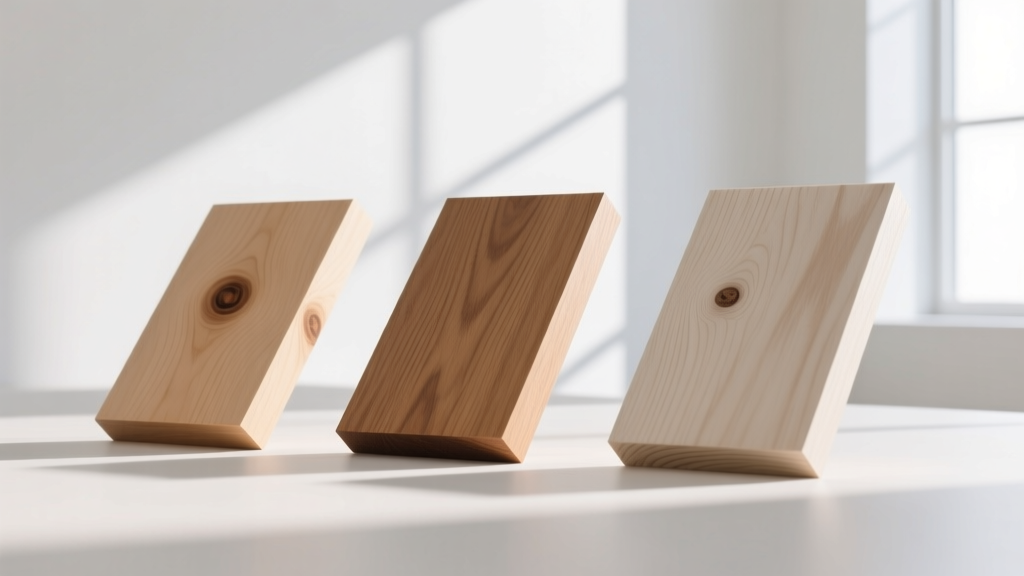
The Economics of Light-Toned Timber
The demand for bright, airy interiors has cemented light-toned timber as a dominant force in residential and commercial buildouts. Driven by the enduring popularity of Japandi and Scandinavian design aesthetics, the types of light coloured wood available on the market offer varying degrees of structural integrity, visual consistency, and financial return. However, evaluating these species strictly on their initial board-foot cost is a critical error. A true value analysis must account for milling waste, finishing chemistry, Janka hardness ratings, and long-term maintenance.
As of 2026, supply chain stabilizations have normalized prices for domestic hardwoods, but environmental pressures—such as the Emerald Ash Borer's impact on ash populations—continue to create localized pricing volatility. Below, we break down the true cost and ROI of the most prominent light wood species used in modern construction and interior millwork.
2026 Market Insight: The 'Ambering' Penalty
When budgeting for light woods like Hard Maple or Pine, builders must factor in the cost of specialized finishes. Traditional oil-based polyurethanes amber over time, destroying the light aesthetic and reducing property resale value. Specifying water-based commercial finishes or hardwax oils adds an upfront premium of $1.50 to $3.00 per square foot, but preserves the wood's pale tone and protects the long-term investment.
Species Cost and Durability Matrix
The following matrix evaluates the most common light-coloured species based on current wholesale pricing, physical durability, and optimal application. Hardness data aligns with the Janka hardness scale, the industry standard for measuring wood's resistance to denting and wear.
| Wood Species | Janka Hardness (lbf) | Avg. Cost (per Board Foot) | Installed Cost (per Sq. Ft.) | Best Application |
|---|---|---|---|---|
| Hard Maple | 1,450 | $6.50 - $9.00 | $11.00 - $15.00 | High-traffic flooring, butcher blocks |
| White Oak | 1,360 | $8.00 - $12.50 | $14.00 - $20.00 | Premium flooring, structural beams |
| White Ash | 1,320 | $5.50 - $8.50 | $10.00 - $14.00 | Cabinetry, architectural millwork |
| Yellow Birch | 1,260 | $5.00 - $7.50 | $9.50 - $13.00 | Plywood cores, stain-grade cabinets |
| Southern Yellow Pine | 870 | $3.00 - $5.00 | $6.00 - $9.00 | Rustic flooring, structural framing |
| Poplar | 540 | $3.00 - $4.50 | N/A (Paint-grade only) | Painted cabinetry, interior trim |
The Hidden Costs of Finishing Light Species
According to the USDA Forest Products Laboratory, the cellular structure of light woods like maple and pine makes them highly reactive to certain chemical finishes. Failing to specify the correct finish system is the primary cause of budget overruns and aesthetic failures in light-wood projects.
- Water-Based Polyurethane (e.g., Bona Traffic HD): Essential for maple and pine to prevent yellowing. Costs approximately $180 per gallon, covering 400 sq. ft. Adds roughly $0.45/sq. ft. in material costs, plus higher labor rates for fast-drying application.
- Hardwax Oils (e.g., Rubio Monocoat): Popular for white oak and ash to maintain a matte, natural look. Highly expensive at ~$130 per 350ml, but requires only one coat. Adds $1.50 - $2.50/sq. ft. to the material budget but drastically reduces labor time.
- Tannin Bleed Prevention: White oak contains high levels of tannins. If water-based finishes are applied without a proper sealer, the wood will turn green or gray. Specifying a tannin-blocking primer adds $0.30/sq. ft. but prevents catastrophic re-sanding costs.
- Sanding and Prep: Light woods show every scratch. Maple requires sanding up to 120 or 150 grit (compared to 80 or 100 for darker woods) to prevent finish highlighting. Expect sanding labor costs to be 15-20% higher for light hardwoods.
Application-Specific Value Frameworks
High-Traffic Flooring: Maple vs. White Oak
When evaluating types of light coloured wood for flooring, Hard Maple and White Oak are the top contenders. Maple offers a slightly higher Janka rating (1,450 vs 1,360), meaning it resists denting slightly better. However, White Oak holds a distinct value advantage due to its grain pattern. Maple's tight, subtle grain shows dust, scratches, and dents far more visibly than White Oak's open, prominent grain. In a high-traffic commercial or residential setting, White Oak will look newer for longer, reducing the frequency of expensive screen-and-recoat maintenance cycles. Furthermore, the National Wood Flooring Association notes that White Oak's high tannin content makes it highly rot-resistant, adding to its long-term value proposition in moisture-prone areas.
Cabinetry: Birch vs. Poplar vs. Ash
For kitchen and bathroom millwork, the choice of light wood dictates both the manufacturing cost and the final retail value of the home.
"While Poplar is the undisputed king of budget-friendly, paint-grade cabinetry, its low Janka hardness (540 lbf) means it will dent during installation and daily use. For high-end custom homes where natural wood grain is desired, White Ash provides a striking, open-grain aesthetic at a 20% lower cost than premium White Oak, provided the builder can secure stable regional supply."
— 2026 Custom Millwork Industry Report
Yellow Birch serves as the ultimate middle-ground. It machines beautifully, accepts stain more evenly than maple, and costs roughly 30% less than White Oak. It is the highest-ROI choice for mid-tier custom cabinetry where a light, natural finish is required.
Navigating NHLA Grading for Cost Optimization
Purchasing light woods at the highest grade is a common financial mistake. The National Hardwood Lumber Association (NHLA) grading system dictates yield, not necessarily structural integrity or visual perfection for all applications.
For long, continuous runs like flooring or structural beams, FAS (First and Second) grade is mandatory to ensure long, clear cuttings. However, for cabinetry, drawer fronts, and trim, purchasing #1 Common grade allows the millworker to cut around defects (knots, sapwood, mineral streaks). Because light woods like Ash and Maple frequently feature stark contrasts between white sapwood and brown heartwood, buying #1 Common and selectively milling only the white sapwood can yield a visually uniform product at a 25% to 35% discount compared to FAS lumber, provided the shop has an experienced cutman to maximize yield.
Frequently Asked Questions on Light Wood Valuation
Does light-coloured wood increase home resale value compared to dark wood?
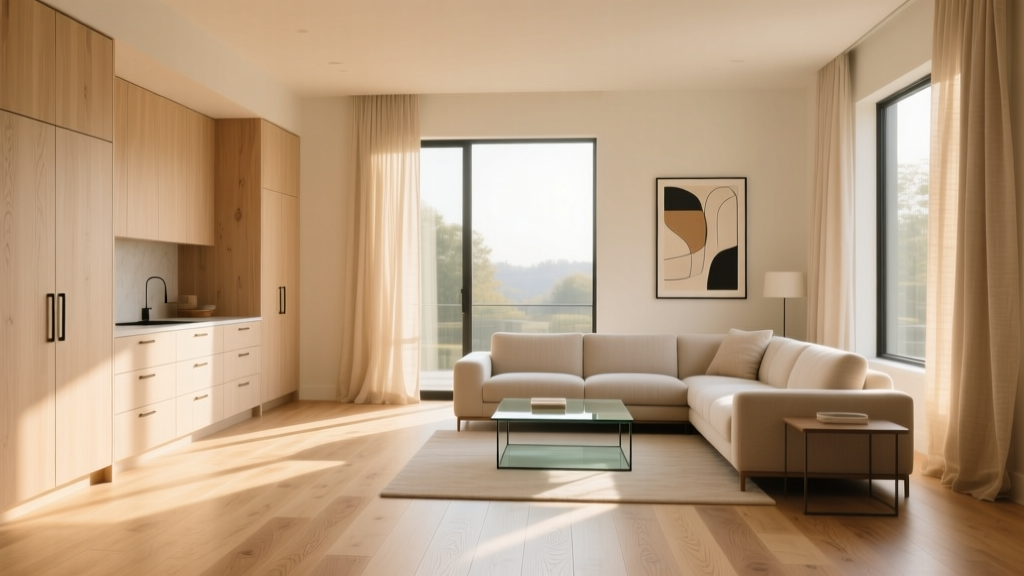
Current real estate data indicates that light, natural-toned wood floors and cabinetry appeal to a broader demographic of buyers, particularly those seeking modern, move-in-ready homes. While dark woods like walnut or espresso-stained oak are highly valued in traditional luxury markets, light woods like White Oak and Maple generally offer a faster time-to-sale and a 3-5% higher appraisal premium in contemporary suburban and urban markets due to their light-reflecting properties, which make spaces appear larger.
Why is White Ash pricing so volatile compared to Maple?
White Ash populations in North America have been decimated by the Emerald Ash Borer (EAB), an invasive beetle. While salvage logging initially flooded the market and dropped prices in the late 2010s, the 2026 market is now experiencing the long-term effects of depleted mature stands. Ash is now heavily regulated and sourced from specific, managed tracts, leading to regional supply shortages and price spikes that do not affect the highly managed, abundant Hard Maple forests of the Great Lakes region.
Written by
David NakamuraDavid Nakamura is a licensed architect (AIA) and construction technology writer focused on sustainable building methods, mass timber engineering, and high-performance building envelopes. He holds a Master of Architecture from the University of Washington and is a certified Passive House Consultant (CPHC). David spent eight years at the Seattle firm Mithun, where he led the design of three LEED Platinum projects, before founding his own practice specializing in net-zero residential design. He serves on the editorial advisory board of GreenBuilder Magazine and has authored peer-reviewed papers on cross-laminated timber (CLT) connections for the Journal of Structural Engineering. In his spare time, David teaches woodworking at Pratt Fine Arts Center and kayaks the Puget Sound.
More from David Nakamura
View all
Construction Cost
Labor Cost to Build a Deck Per Sq Ft: 2026 Installation Guide
Discover the exact labor cost to build a deck per sq ft in 2026. This installation guide breaks down contractor rates, complexity factors, and hidden fees.
Aug 4, 2026

Construction Cost
How Much Does It Cost to Build a 3 Bedroom House? Financing Guide
Learn exactly how much it costs to build a 3 bedroom house and explore 2026 financing options, construction loan types, and budget frameworks for your build.
Aug 4, 2026

Construction Cost
Cost to Build a Tennis Court: 2026 Guide
How much does it cost to build a tennis court in 2026? Breakdowns for asphalt, concrete, and synthetic surfaces plus fencing and lighting.
Jul 30, 2026