Greenhouse Roof Material Compared: Polycarbonate vs Glass vs Film
Compare the top greenhouse roof material options. We break down costs, light transmission, and durability for polycarbonate, glass, and film.
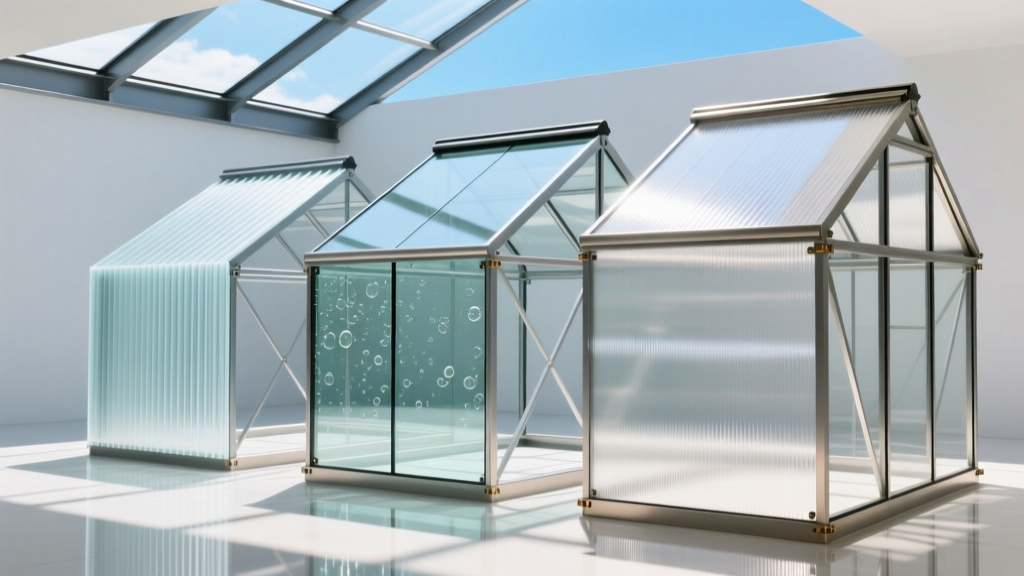
The Physics of Glazing: Why Your Greenhouse Roof Material Dictates Yield
Selecting the correct greenhouse roof material is not merely a structural decision; it is a biological one. The glazing you install governs Photosynthetically Active Radiation (PAR) transmission, thermal retention (R-value), and interior humidity management. A suboptimal choice leads to stretched internodes, increased HVAC loads, and condensation-driven fungal pathogens. In 2026, the market is dominated by three primary materials: twin-wall polycarbonate, tempered horticultural glass, and co-extruded polyethylene film. Each serves a distinct operational profile, from high-tech commercial hydroponics to seasonal hobbyist growing.
Glazing Performance Matrix
Before examining installation nuances, review the baseline performance metrics for the three dominant materials. Data reflects standard commercial-grade specifications.
| Material | Standard Thickness | PAR Transmission | R-Value | Installed Cost (per sq ft) | Expected Lifespan |
|---|---|---|---|---|---|
| Twin-Wall Polycarbonate | 8mm | 80% - 82% | 1.4 | $2.80 - $3.90 | 10 - 15 years |
| Tempered Glass | 4mm | 89% - 91% | 0.9 | $4.50 - $6.50 | 25+ years |
| Polyethylene Film (Double) | 2x 6-mil | 85% - 88% | 1.5 | $0.25 - $0.45 | 3 - 4 years |
Twin-Wall Polycarbonate: The Modern Commercial Standard
Polycarbonate has become the default greenhouse roof material for mid-to-large-scale commercial operations due to its balance of impact resistance, thermal efficiency, and light diffusion. The twin-wall (or multi-wall) structure traps dead air, providing an insulating barrier that single-pane glass cannot match.
Technical Specifications and Installation
For most four-season growing environments, 8mm twin-wall polycarbonate (such as Palram Sunlite or Polygal) is the minimum viable specification. In northern climates with heavy snow loads, upgrading to 16mm triple-wall increases the R-value to 2.4 and boosts structural rigidity.
- UV Co-extrusion: Ensure the panels feature a co-extruded UV protective layer on the exterior face. Without this, polycarbonate will yellow and become brittle within 24 months. The UV layer must face the sun; installing it backward voids warranties and ruins crops.
- Thermal Expansion: Polycarbonate expands and contracts at a rate of approximately 0.000038 in/in/°F. When fastening, you must pre-drill holes 1/16-inch larger than the fastener shank to prevent panel buckling and cracking during seasonal temperature swings.
- Fasteners and Profiles: Use #10 or #12 stainless steel screws with EPDM sealing washers. Never use standard roofing nails. Panels must be joined using polycarbonate H-profiles and capped with U-profiles at the edges, sealed with breathable breather tape at the bottom flutes to allow condensation to weep out while blocking dust and insects.
Standard polycarbonate causes condensation to form large droplets that drip onto crops, spreading botrytis and powdery mildew. Specify panels with an anti-drip (surfactant) coating on the interior surface. This forces condensation to form a continuous sheet of water that runs down the flutes and into the gutter system, maintaining lower humidity at the plant canopy level.
Tempered Horticultural Glass: The Heritage Premium
Glass remains the premier greenhouse roof material for botanical gardens, high-end retail garden centers, and specific high-light crops like cannabis or vine-ripened tomatoes where maximum PAR transmission is non-negotiable. According to the National Greenhouse Manufacturers Association, modern glass greenhouses rely on advanced aluminum extrusion systems to manage the immense dead loads and wind shear associated with rigid glazing.
Structural and Environmental Realities
Standard 4mm tempered horticultural glass transmits up to 91% of available light, but it comes with significant structural and thermal penalties.
- Dead Load Engineering: Glass weighs approximately 2.2 lbs per square foot. The supporting structure (typically 6063-T5 aluminum extrusions or galvanized steel) must be engineered to support this dead load plus regional snow loads per ASCE 7-16 standards. This drastically increases the upfront cost of the steel skeleton compared to film or polycarbonate structures.
- Thermal Bleed: With an R-value of just 0.9, single-pane glass bleeds heat rapidly at night. Commercial glasshouses compensate by installing automated thermal screens (e.g., Svensson Luxous 1147) that deploy at dusk, effectively creating an interior double-glazing system that cuts heat loss by up to 47%.
- Shading Requirements: The high light transmission that benefits crops in December becomes a liability in July. Glass roofs require automated exterior shade curtains or seasonal application of exterior whitewash (calcium carbonate compounds) to prevent leaf scorch and heat stress during peak summer months.
Polyethylene Film: The High-Tunnel Workhorse
For seasonal growers, high-tunnel operators, and budget-conscious commercial farms, co-extruded polyethylene (PE) film is the most economical greenhouse roof material. Modern PE films are far removed from the hardware-store drop cloths of the past; they are highly engineered, multi-layer agricultural plastics.
Optimizing Film Performance
Commercial installations utilize a double-layer inflated system. Two layers of 6-mil film are separated by a 2-inch air gap maintained by a continuous 1/10 HP blower motor. This setup achieves an R-value of 1.5, rivaling rigid polycarbonate at a fraction of the material cost.
- IR and Anti-Drip Additives: Specify films with Infrared (IR) blockers, which trap long-wave radiant heat inside the greenhouse at night, reducing heating costs by 15-20%. Anti-drip (anti-fog) additives are equally critical to prevent canopy wetting.
- Attachment Mechanics: Film is secured using aluminum lock channels and a zig-zag 'wiggle wire'. Never use staples or batten tape on commercial structures, as they create micro-tears that propagate under wind uplift. According to research from UMass Amherst Extension, proper tensioning and lock-channel installation are the primary factors in preventing wind-related film failures.
- The Replacement Cycle: Even with UV inhibitors, 6-mil PE film degrades under solar radiation. Expect a functional lifespan of 3 to 4 years before the film becomes brittle and tears. Factor this recurring labor and material cost into your 10-year operational budget.
Decision Framework: Matching Material to Operation
Use this operational matrix to select the correct glazing based on your specific agricultural and financial parameters.
Choose Polycarbonate If:
- You are growing in a four-season climate with moderate to heavy snow loads.
- You need light diffusion to eliminate harsh shadows and reduce plant stress.
- You want a 10+ year lifespan without the massive structural steel costs of glass.
Choose Glass If:
- Maximum PAR transmission is critical for your crop (e.g., vine crops, cannabis).
- You are building a permanent, multi-generational botanical or retail facility.
- You have the capital to invest in heavy-duty aluminum framing and automated thermal screens.
Choose Polyethylene Film If:
- You are operating seasonal high tunnels or hoop houses with a 3-5 year ROI horizon.
- Upfront capital expenditure is your primary constraint.
- You are growing in mild climates where extreme snow loading and high wind shear are rare.
Climate-Specific Edge Cases and Failure Modes
Ignoring local microclimates is the leading cause of glazing failure. In regions with high annual hail incidence, 4mm tempered glass will shatter upon severe impact, whereas 8mm polycarbonate is virtually hail-proof up to 1-inch ice spheres. However, in coastal or high-wind zones, polycarbonate panels can suffer from 'oil-canning' (flexing and popping out of H-profiles) if the underlying purlin spacing exceeds 4 feet on center. Always reduce purlin spacing to 2 feet on center in areas where wind uplift exceeds 110 mph.
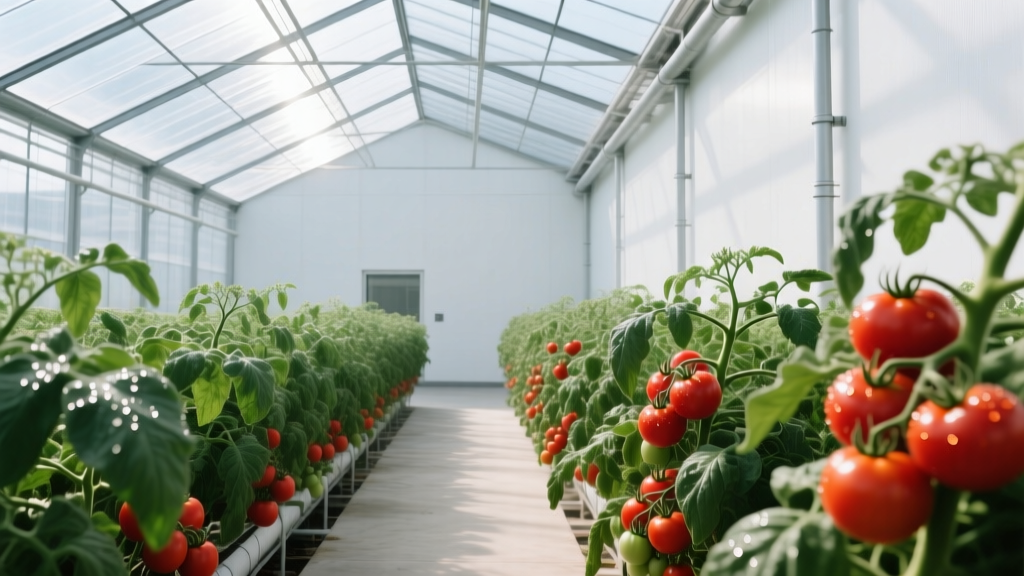
Furthermore, condensation management varies wildly by material. Glass and untreated polycarbonate drip heavily. If you are propagating seedlings or growing leafy greens where foliar moisture triggers downy mildew, you must either specify anti-drip coatings or install a secondary interior condensation gutter system. As noted by Greenhouse Grower, integrating interior climate data with glazing selection is the hallmark of modern, profitable controlled environment agriculture.
Final Procurement Checklist
Before signing a purchase order with your glazing supplier, verify the following documentation:
- UV Warranty: Request the specific warranty document detailing the 10-year (or 4-year for film) yellowing and light transmission loss guarantees.
- Fire Rating: Ensure the material meets local building codes for agricultural structures (e.g., ASTM E84 Class A for polycarbonate).
- Profile Compatibility: Confirm that the H and U profiles are manufactured from the same UV-stabilized resin as the panels to prevent differential degradation.
Written by
Sarah WhitfieldSarah Whitfield is a chartered quantity surveyor (MRICS) and construction cost analyst with 15 years of experience in material pricing, procurement strategy, and project budgeting. She earned her degree in Construction Management from the University of Reading (UK) and has worked on projects ranging from $2M custom homes to $180M mixed-use developments across North America and Europe. Sarah currently leads cost estimating for BuildMat Insight, maintaining a proprietary database of 4,000+ material price points updated quarterly. She is a frequent contributor to RSMeans cost data panels and has presented at the International Cost Engineering Council (ICEC) congress. Based in Denver, CO, Sarah is an avid trail runner and volunteer mentor for Women in Construction.
More from Sarah Whitfield
View all
Wood & Lumber
What Are the Different Types of Wood? A Builder's Guide
Compare structural softwoods, finish hardwoods, and engineered lumber. Analyze Janka ratings, MOE values, and 2026 pricing for construction.
Aug 4, 2026

Walls & Panels
Steel Framing vs Wood Framing: Corrosion and Moisture Defense
Compare steel framing vs wood framing for moisture resistance. Learn about galvanized coatings, condensation risks, and corrosion protection strategies.
Jul 21, 2026

Stone & Masonry
How to Cut Stone Veneer: Wet Saw vs Grinder Comparison
Compare the best tools for cutting stone veneer. We review wet saws, angle grinders, and chop saws to help you achieve clean, chip-free cuts.
Jul 21, 2026