Repair and Maintenance Guide for Light Roofing Materials
Learn expert repair and maintenance protocols for light roofing materials, including synthetic polymers, metal panels, and single-ply membranes.
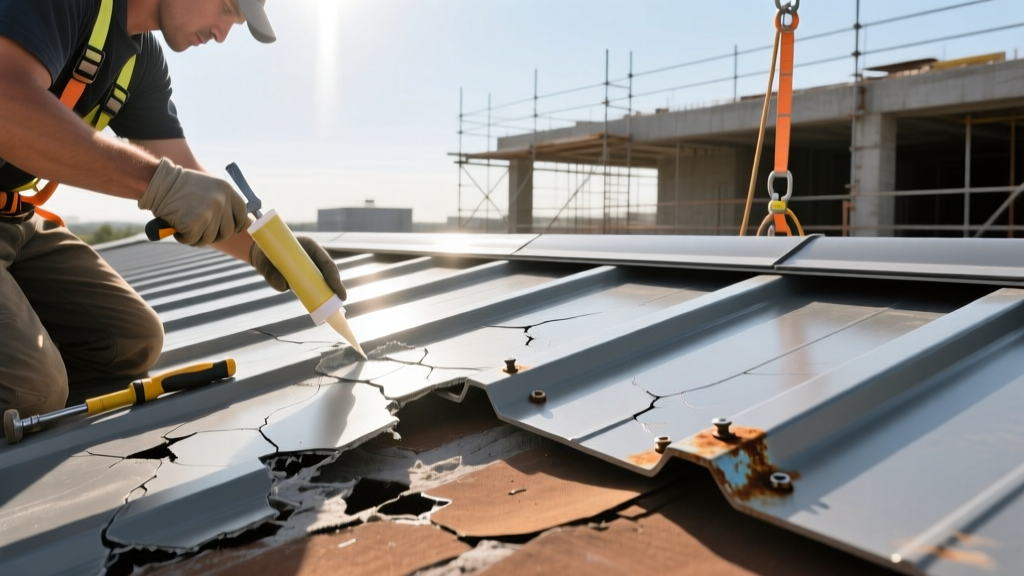
The Unique Physics of Lightweight Roofing Systems
Light roofing materials—encompassing synthetic polymer shakes, stone-coated steel, aluminum panels, and single-ply TPO/PVC membranes—offer significant structural advantages. By reducing dead load, they lower framing costs and are ideal for retrofits over existing structures. However, their low mass introduces distinct mechanical vulnerabilities. Unlike heavy asphalt or slate, lightweight systems rely heavily on mechanical fastening and chemical adhesives to resist wind uplift and thermal cycling. Understanding these physics is the first step in executing lasting repairs.
Diagnostic Framework: Identifying Failure Modes
Before initiating repairs, accurately diagnosing the failure mode is critical. Lightweight materials react to environmental stress differently than traditional options.
- Thermal Expansion/Contraction: Materials like aluminum and synthetic polymers expand and contract at higher rates than wood decking. This constant movement causes fastener back-out and neoprene washer degradation over time.
- UV and Thermal Shock Brittleness: Polymer shingles can become brittle after prolonged UV exposure, making them susceptible to impact fracturing from hail or fallen branches.
- Membrane Shrinkage: Single-ply PVC and TPO membranes can shrink over their lifespan, pulling away from flashings and creating tension tears at parapet walls.
Material-Specific Repair Protocols
Applying standard asphalt shingle repair techniques to lightweight materials will void warranties and accelerate system failure. Follow these material-specific protocols.
Synthetic Polymer Shakes and Shingles
Products like DaVinci Roofscapes or EcoStar synthetic slate require careful handling to prevent cracking during extraction.
- Extraction: Slide a flat pry bar under the overlapping course. Do not lever the bar upward aggressively; polymer will snap if bent beyond a 15-degree angle. Gently lift the overlapping shingle and extract the exposed nails of the damaged piece.
- Fastener Selection: Never use standard galvanized roofing nails for polymer. Install the replacement shingle using 1.5-inch stainless steel ring-shank nails. The ring shank provides the necessary withdrawal resistance without relying on the shingle's weight.
- Sealing: Apply a dab of proprietary color-matched polyurethane sealant, such as Geocel 2300, over the nail heads. Avoid silicone, which does not adhere well to polymer surfaces.
Lightweight Metal Panels (Aluminum and Galvalume)
Fastener fatigue is the primary maintenance issue for lightweight metal roofs. When a screw spins freely due to thermal cycling, simply overtightening it will strip the wood decking beneath.
- Fastener Replacement: Extract the stripped screw. Replace it with a #12 x 1.5-inch oversized stitch screw featuring a high-temperature EPDM washer. The larger diameter bites into fresh wood fibers.
- Lap Sealant Application: Apply a continuous bead of TPO-compatible lap sealant (e.g., Carlisle Sure-Seal) over the new screw head and the adjacent panel lap to prevent capillary water draw.
Single-Ply Membranes (TPO and PVC)
Punctures in lightweight commercial membranes require hot-air welding rather than liquid adhesives for a permanent, monolithic seal.
- Surface Prep: Clean the puncture area with a membrane-specific cleaner. Standard solvents will degrade the plasticizers in PVC.
- Patch Fabrication: Cut a patch from matching 60-mil material, ensuring it extends at least 3 inches beyond the puncture in all directions. Round the corners of the patch to prevent peeling.
- Hot-Air Welding: Use a Leister Triac S hot-air welder. Set the temperature between 500°F and 550°F for TPO (slightly higher for PVC). Apply consistent pressure with a 2-inch silicone pressure roller immediately behind the heat nozzle to fuse the polymers.
Adhesive and Sealant Compatibility Matrix
Using the wrong chemical sealant on light roofing materials is a leading cause of repair failure. Refer to the National Roofing Contractors Association (NRCA) guidelines for chemical compatibility.
| Roof Material | Approved Sealants | Prohibited Chemicals |
|---|---|---|
| TPO Membranes | TPO Lap Sealant, Polyurethane | Asphalt-based cements, PVC cleaners |
| PVC Membranes | PVC Lap Sealant, CPVC adhesives | EPDM adhesives, Bitumen |
| Synthetic Polymer | Polyurethane (Geocel 2300) | Silicone, Acrylic elastomerics |
| Aluminum Panels | Neutral-cure silicone, Polyurethane | Acetic-cure silicone (causes corrosion) |
Preventative Maintenance and Wind Uplift Mitigation
Because light roofing materials depend on mechanical attachment rather than mass, preventative maintenance must focus on securement integrity. The U.S. Department of Energy notes that many lightweight cool roofs also require regular cleaning to maintain their solar reflectance index (SRI).
Bi-Annual Maintenance Checklist
- Perimeter Securement: Inspect all rake and eave edges. Ensure metal drip edges and termination bars are fastened every 6 inches on center. Re-secure any loose fasteners immediately.
- Flashing Integrity: Check pipe boots and HVAC curb flashings. Lightweight membranes shrink over time; if the membrane is pulled taut against the curb, install a relief patch to prevent tearing.
- Debris and Biological Growth: Clear all valleys and gutters. While lightweight polymers are generally algae-resistant, accumulated debris holds moisture that can degrade the underlying wood decking, compromising the nail-holding capacity required for wind resistance.
- Reflectivity Restoration: For TPO/PVC roofs, wash with a low-pressure, soft-bristle brush and a non-abrasive, non-solvent detergent to restore solar reflectance and reduce thermal expansion cycles.
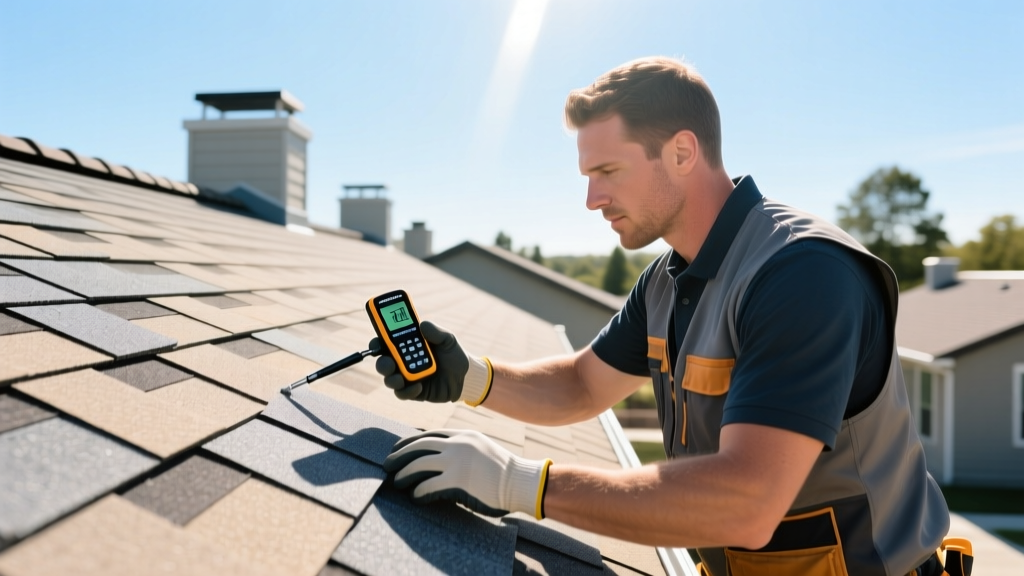
Repair vs. Replace Decision Matrix
Determining when to patch a lightweight roof versus scheduling a full replacement requires evaluating the extent of systemic degradation.
| Condition Indicator | Action Required | Rationale |
|---|---|---|
| Isolated puncture or impact crack | Spot Repair | Structural integrity of surrounding material is intact. |
| Widespread fastener back-out (>15% of roof) | Full Replacement | Indicates systemic thermal failure or compromised decking. |
| Membrane shrinkage pulling from flashings | Flashing Replacement | Field membrane may be sound, but perimeter details have failed. |
| UV chalking and micro-cracking on polymers | Full Replacement | Material has reached end of life; repairs will not hold. |
2026 Cost Expectations for Lightweight Roof Repairs
Budgeting for lightweight roof maintenance requires accounting for specialized labor and proprietary materials. Standard roofing contractors may not possess the hot-air welding equipment or polymer-specific training required. Below are current average costs for professional repairs.
| Repair Type | Average Cost Range | Primary Cost Drivers |
|---|---|---|
| Synthetic Shingle Replacement (per square) | $450 - $650 | Proprietary shingle matching, stainless fasteners. |
| Metal Panel Fastener Re-screwing (per 100 screws) | $300 - $450 | Labor intensity, EPDM washer quality. |
| TPO/PVC Hot-Air Weld Patch (per puncture) | $250 - $400 | Specialized welding equipment, mobilization fees. |
| Perimeter Securement Reinforcement (linear ft) | $12 - $18 | Termination bar materials, sealant application. |
Proper maintenance of light roofing materials extends their service life and preserves the structural and energy-efficiency benefits that prompted their installation. By adhering to material-specific repair protocols and utilizing compatible chemical sealants, facility managers and homeowners can protect their investment against the unique environmental stresses that lightweight systems endure.
Written by
Sarah WhitfieldSarah Whitfield is a chartered quantity surveyor (MRICS) and construction cost analyst with 15 years of experience in material pricing, procurement strategy, and project budgeting. She earned her degree in Construction Management from the University of Reading (UK) and has worked on projects ranging from $2M custom homes to $180M mixed-use developments across North America and Europe. Sarah currently leads cost estimating for BuildMat Insight, maintaining a proprietary database of 4,000+ material price points updated quarterly. She is a frequent contributor to RSMeans cost data panels and has presented at the International Cost Engineering Council (ICEC) congress. Based in Denver, CO, Sarah is an avid trail runner and volunteer mentor for Women in Construction.
More from Sarah Whitfield
View all
Wood & Lumber
What Are the Different Types of Wood? A Builder's Guide
Compare structural softwoods, finish hardwoods, and engineered lumber. Analyze Janka ratings, MOE values, and 2026 pricing for construction.
Aug 4, 2026

Walls & Panels
Steel Framing vs Wood Framing: Corrosion and Moisture Defense
Compare steel framing vs wood framing for moisture resistance. Learn about galvanized coatings, condensation risks, and corrosion protection strategies.
Jul 21, 2026

Stone & Masonry
How to Cut Stone Veneer: Wet Saw vs Grinder Comparison
Compare the best tools for cutting stone veneer. We review wet saws, angle grinders, and chop saws to help you achieve clean, chip-free cuts.
Jul 21, 2026