True Lifespan of a Roll of Roofing Material: Durability Guide
Discover the true lifespan of a roll of roofing material. Compare asphalt MSR, modified bitumen, and synthetic rolls for maximum durability.

Defining the Modern Roll of Roofing Material
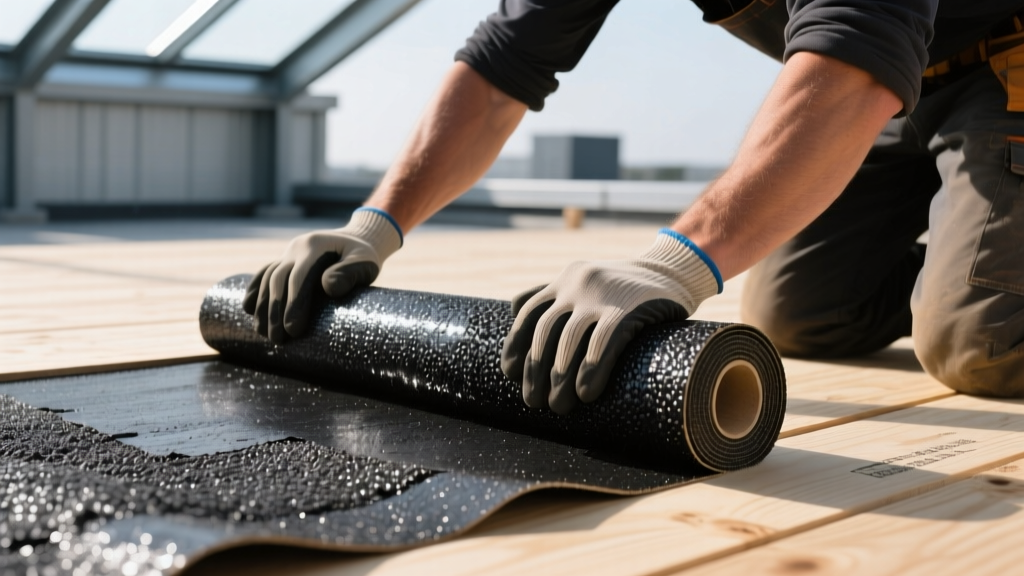
When contractors and homeowners refer to a roll of roofing material, they are typically referencing products designed for low-slope or flat roof applications. Historically, this term was synonymous with cheap, short-lived mineral-surfaced roll (MSR) roofing used on sheds and outbuildings. However, the modern market has expanded the category significantly. Today, a roll of roofing material encompasses traditional asphalt MSR, advanced modified bitumen (mod-bit) membranes, and synthetic polymer sheets. The durability and lifespan of these materials vary drastically—from a mere 5 years for basic MSR to over 25 years for multi-ply modified bitumen systems.
Understanding the exact composition, installation requirements, and environmental vulnerabilities of rolled roofing is critical for maximizing its lifespan. This guide breaks down the technical specifications, failure modes, and maintenance protocols required to extract the maximum service life from rolled roofing systems.
The Material Matrix: Comparing Rolled Roofing Types
The baseline lifespan of any rolled roofing product is dictated by its chemical composition and structural reinforcement. Below is a technical comparison of the primary rolled roofing materials available in 2026.
| Material Type | Composition & Reinforcement | Expected Lifespan | Minimum Slope Requirement | Primary Installation Method |
|---|---|---|---|---|
| Asphalt MSR (Mineral-Surfaced Roll) | Asphalt-saturated fiberglass or organic mat, ceramic granules | 5 - 10 Years | 2:12 (or 3:12 for exposed nail) | Exposed or concealed nailing, lap cement |
| SBS Modified Bitumen | Asphalt modified with synthetic rubber (Styrene-Butadiene-Styrene), polyester mat | 15 - 25 Years | 1/4:12 (with proper detailing) | Torch-down, cold adhesive, self-adhered |
| APP Modified Bitumen | Asphalt modified with plastic (Atactic Polypropylene), fiberglass/polyester mat | 15 - 20 Years | 1/4:12 | Heat-welded (torch) |
| Synthetic Polymer Rolls (e.g., TPO/PVC) | Thermoplastic polyolefin or polyvinyl chloride, scrim reinforced | 20 - 30+ Years | 1/4:12 | Hot-air welded, fully adhered, mechanically attached |
Anatomy of Premature Failure in Rolled Roofing
Even high-end modified bitumen rolls will fail prematurely if subjected to conditions outside their design parameters. According to the National Roofing Contractors Association (NRCA), the majority of low-slope rolled roofing failures are not due to material defects, but rather improper installation and structural movement.
1. Blistering and Moisture Entrapment
Blisters occur when moisture or air becomes trapped between the roof deck and the rolled membrane, or between plies of a multi-layer system. When the sun heats the roof, the trapped moisture vaporizes and expands, pushing the membrane upward. Over time, these blisters crack and allow water infiltration. Technical Requirement: Wood roof decks (OSB or plywood) must have a moisture content of less than 19% at the time of installation. Applying a roll of roofing material over damp decking guarantees blistering within the first thermal cycle.
2. Thermal Shock and Seam Splitting
Rolled roofing expands and contracts with temperature fluctuations. Traditional asphalt MSR has a high coefficient of thermal expansion. If the material is installed too tightly without allowing for natural movement, or if the lap seams are inadequately sealed, the thermal stress will cause the seams to split. SBS modified bitumen (ASTM D6164) is specifically engineered with rubberized polymers to remain flexible at temperatures as low as -20°F, drastically reducing the risk of thermal splitting compared to standard asphalt.
3. Ponding Water Degradation
While modified bitumen and synthetic rolls can handle low slopes, they are not designed for continuous submersion. Ponding water (water remaining for more than 48 hours after precipitation) accelerates the breakdown of asphalt binders and promotes biological growth. If a roof design lacks sufficient taper or drainage, the lifespan of the rolled material will be reduced by up to 40%.
Never install standard Mineral-Surfaced Roll (MSR) roofing on slopes below 2:12. Water capillary action will draw moisture up the laps, leading to immediate interior leaks. For slopes between 1/4:12 and 2:12, you must use a fully adhered or torch-down modified bitumen system with sealed seams.
Installation Variables That Dictate Longevity
The method used to secure the roll of roofing material to the substrate is just as important as the material itself. The transition from mechanical fastening to adhesive and heat-welding has been the primary driver in extending rolled roofing lifespans.
- Exposed Nailing (MSR): Nails are driven through the overlapping layers and sealed with roofing cement. This is the weakest method. The nail heads are exposed to UV radiation and thermal movement, eventually working loose and breaking the seal. Lifespan is capped at 5-8 years.
- Concealed Nailing (MSR): Nails are placed in the top lap, and the next roll overlaps the nail line, which is then sealed with lap cement. This protects the fasteners from UV and physical damage, extending the lifespan to 8-12 years.
- Cold Adhesive (Mod-Bit): Solvent-based or water-based asphalt adhesives are troweled or rolled onto the substrate. This creates a continuous, monolithic bond that resists wind uplift and eliminates nail pops. Expected lifespan: 15-20 years.
- Torch-Down / Heat-Welded (Mod-Bit & Synthetics): The underside of the roll is melted with a propane torch (or hot air for TPO/PVC) and fused directly to the substrate or base sheet. This creates a watertight, structural bond that is highly resistant to wind and water. Expected lifespan: 20-25+ years.
Environmental Stressors and Protective Coatings
Ultraviolet (UV) radiation is the primary enemy of asphalt-based rolled roofing. UV rays break down the hydrocarbon bonds in the asphalt binder, causing the material to lose its waterproofing oils. This results in "alligatoring"—a pattern of deep cracks resembling alligator skin.
To combat UV degradation and extend the lifespan of a roll of roofing material, reflective coatings are highly recommended. The U.S. Department of Energy notes that cool roof coatings not only protect the membrane but also reduce roof surface temperatures by up to 50°F, significantly slowing thermal aging.
Recommended Coating Specifications
- Aluminum Roof Coatings (ASTM D122): Contains aluminum flakes suspended in an asphalt base. Reflects up to 60% of UV rays. Best for MSR and Mod-Bit. Adds 3-5 years of life. Reapply every 5 years.
- Acrylic Elastomeric Coatings (ASTM D6083): Water-based, highly reflective white coating. Reflects up to 85% of UV rays. Excellent for APP Mod-Bit and Synthetics. Adds 10+ years of life. Must be applied over a primed, clean surface.
- Silicone Coatings: Superior for roofs with minor ponding water issues, as silicone does not degrade in standing water. Highly durable but more expensive than acrylics.
Cost vs. Lifespan ROI Analysis
When evaluating a roll of roofing material, the initial cost per square (100 sq. ft.) must be weighed against the expected service life and maintenance requirements. The Asphalt Roofing Manufacturers Association (ARMA) emphasizes that life-cycle costing provides a more accurate picture of roofing value than initial material costs alone.
| Material System | Installed Cost per Sq. Ft. (2026) | Expected Lifespan | Annualized Cost per Sq. Ft. | Maintenance Level |
|---|---|---|---|---|
| Asphalt MSR (Exposed Nail) | $1.50 - $2.50 | 6 Years | $0.33 | High (annual patching) |
| SBS Mod-Bit (2-Ply Torch) | $4.50 - $7.00 | 20 Years | $0.28 | Low (bi-annual inspection) |
| APP Mod-Bit (2-Ply Torch) | $4.50 - $6.50 | 18 Years | $0.30 | Low |
| TPO Synthetic (60-mil) | $5.50 - $8.50 | 25 Years | $0.28 | Very Low |
As the data illustrates, while traditional MSR rolls have the lowest upfront cost, their annualized cost is actually higher than premium modified bitumen or synthetic systems due to their short lifespan and high maintenance requirements. For any primary residential or commercial structure, investing in a 2-ply SBS modified bitumen roll system offers the optimal balance of durability, weather resistance, and long-term financial return.
Proactive Maintenance Protocols
To ensure a rolled roof reaches its maximum engineered lifespan, implement the following maintenance framework:
- Bi-Annual Seam Inspections: Check all side laps and end laps in the spring and fall. Look for curling edges, dried lap cement, or microscopic splitting. Reseal immediately with compatible flashing cement.
- Debris and Drainage Clearance: Remove leaves, branches, and dirt that trap moisture against the membrane. Ensure all scuppers, gutters, and internal drains are completely clear to prevent ponding.
- Penetration Flashing Checks: The most common failure points are not the field of the roll, but the flashings around HVAC units, pipes, and vents. Ensure pitch pans are filled with fresh sealant and metal flashings are tightly secured.
- Coating Refresh: If the roof is coated, monitor the reflectivity and thickness. Reapply aluminum or elastomeric coatings before the underlying asphalt becomes exposed to direct UV radiation.
Expert Insight: The lifespan of a roll of roofing material is ultimately determined in the first 48 hours of installation. Proper deck preparation, strict adherence to slope minimums, and meticulous seam sealing will yield decades of service from modern modified bitumen rolls, whereas cutting corners on substrate moisture and fastening will doom even the most expensive synthetic membranes to premature failure.
Written by
Sarah WhitfieldSarah Whitfield is a chartered quantity surveyor (MRICS) and construction cost analyst with 15 years of experience in material pricing, procurement strategy, and project budgeting. She earned her degree in Construction Management from the University of Reading (UK) and has worked on projects ranging from $2M custom homes to $180M mixed-use developments across North America and Europe. Sarah currently leads cost estimating for BuildMat Insight, maintaining a proprietary database of 4,000+ material price points updated quarterly. She is a frequent contributor to RSMeans cost data panels and has presented at the International Cost Engineering Council (ICEC) congress. Based in Denver, CO, Sarah is an avid trail runner and volunteer mentor for Women in Construction.
More from Sarah Whitfield
View all
Wood & Lumber
What Are the Different Types of Wood? A Builder's Guide
Compare structural softwoods, finish hardwoods, and engineered lumber. Analyze Janka ratings, MOE values, and 2026 pricing for construction.
Aug 4, 2026

Walls & Panels
Steel Framing vs Wood Framing: Corrosion and Moisture Defense
Compare steel framing vs wood framing for moisture resistance. Learn about galvanized coatings, condensation risks, and corrosion protection strategies.
Jul 21, 2026

Stone & Masonry
How to Cut Stone Veneer: Wet Saw vs Grinder Comparison
Compare the best tools for cutting stone veneer. We review wet saws, angle grinders, and chop saws to help you achieve clean, chip-free cuts.
Jul 21, 2026