The True Cost to Build a Fire Pit: 2026 Material Selection Framework
Discover the true cost to build a fire pit in 2026. Compare refractory bricks, steel rings, and masonry shells with our expert material selection framework.

The Anatomy of Fire Pit Material Selection
Calculating the accurate cost to build a fire pit requires moving beyond superficial aesthetic choices and engineering the structure from the inside out. A fire pit is essentially a contained, high-heat combustion chamber. The materials you select must withstand rapid thermal cycling, direct flame impingement, and environmental degradation. The final price tag is dictated by three distinct structural zones: the inner combustion core, the exterior structural shell, and the sub-grade drainage base. This framework breaks down the material science, failure modes, and 2026 pricing for each zone to help you allocate your budget effectively.
Zone 1: The Combustion Core (Inner Lining)
The inner lining takes the brunt of the thermal abuse. Your selection here dictates the lifespan of the entire structure. You have two primary pathways: refractory masonry or heavy-gauge steel inserts.
Refractory Firebrick vs. Standard Masonry
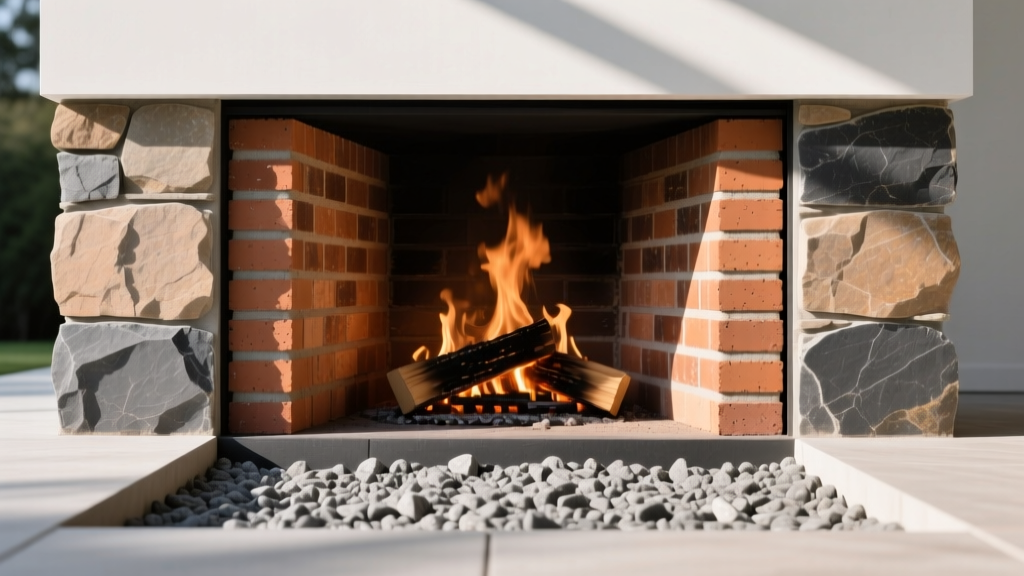
Medium-duty firebricks (rated to 2,500°F) are manufactured from high-alumina and silica clays. They possess a low thermal expansion coefficient, meaning they won't crack when subjected to rapid temperature spikes. In 2026, standard ASTM C27 medium-duty firebricks cost between $3.50 and $5.50 per unit. A standard 36-inch diameter ring requires approximately 32 bricks.
Critical Mortar Selection: Standard Type N or Type S masonry mortar will calcinate and crumble under direct flame. You must use a calcium aluminate-based refractory mortar (such as SAKRETE or Quikrete Heat-Resistant brands), which costs roughly $45 to $60 per 50lb bucket. This mortar cures via chemical heat reaction rather than simple hydration, maintaining structural integrity at extreme temperatures.
Steel Fire Ring Inserts
For a faster build, steel rings act as a sacrificial shield for your outer masonry. However, gauge thickness and alloy composition dictate longevity.
- 10-Gauge Carbon Steel (0.135"): Costs $120–$180. Prone to rapid oxidation and warping under high heat. Expect a 3-to-5-year lifespan before structural compromise.
- 1/4-Inch Carbon Steel Plate: Costs $250–$350. Heavy enough to resist warping, but will eventually rust through if exposed to ash (which is highly alkaline and hygroscopic).
- 304 Stainless Steel: Costs $600–$950. Contains chromium and nickel, preventing oxidation entirely. This is the only steel option recommended for coastal or high-humidity environments.
Zone 2: The Structural Shell (Exterior Materials)
The exterior shell provides thermal mass, aesthetic appeal, and structural support. Because it is separated from the direct flame by the inner lining, standard masonry and stone can be used here, provided they are properly anchored.
| Exterior Material | 2026 Material Cost | Installation Complexity | Freeze-Thaw Durability |
|---|---|---|---|
| Natural Stone Boulders (Fieldstone) | $150 - $250 / ton | High (Requires chinking) | Excellent (if dense) |
| Manufactured Concrete Wall Blocks | $3.00 - $5.50 / block | Low (Interlocking) | Good (Sealed) |
| Poured Concrete (Formed) | $18 - $25 / sq. ft. | High (Requires forming) | Excellent |
| Corten Steel (Weathering Steel) | $800 - $1,500 / prefab | Very Low (Drop-in) | Excellent |
Pro Tip on Corten Steel: While Corten (A588 weathering steel) develops a beautiful, protective rust patina, the runoff from this oxidation process will permanently stain adjacent concrete patios and light-colored stone. If installing a Corten shell, ensure it sits on a dark gravel bed or a dedicated steel drip-pan to manage water runoff.
Zone 3: Base and Drainage (The Hidden Costs)
A fire pit without proper drainage will fill with rainwater, turning the ash bed into a highly corrosive, alkaline sludge that accelerates the decay of steel rings and efflorescence in masonry. The base also serves as a heat sink to protect the underlying soil.
Sub-Grade Excavation and Aggregate
- Excavation: Dig 6 to 8 inches deep, extending 12 inches beyond the outer diameter of the fire pit walls.
- Base Layer: Fill with 4 inches of 3/4-inch crushed angular gravel (not round pea gravel, which shifts). Angular gravel locks together to create a stable, non-frost-heaving foundation. Cost: $45–$65 per ton.
- Interior Floor: The inside floor of the pit should be layered with 2 inches of crushed lava rock or fire glass. Lava rock is highly porous, allowing water to drain through while withstanding high heat without exploding. Cost: $120–$180 per ton (or roughly $25 for a 0.5 cu. ft. bag).
Total Cost to Build a Fire Pit: 2026 Tiered Breakdown
The final cost to build a fire pit scales based on the integration of the three zones outlined above. Below is a realistic 2026 pricing matrix for a standard 36-inch inner diameter pit.
| Build Tier | Material Specifications | Estimated Material Cost | Professional Install Cost |
|---|---|---|---|
| Tier 1: Basic DIY | 10-gauge steel ring, interlocking concrete wall blocks, gravel base. | $350 - $550 | N/A (DIY) |
| Tier 2: Mid-Range Masonry | 1/4" carbon steel ring, natural stone veneer over concrete block core, lava rock floor. | $850 - $1,400 | $1,200 - $2,000 |
| Tier 3: Premium Custom | ASTM C27 firebrick lining, refractory mortar, thick natural boulders, poured concrete footing. | $1,800 - $3,200 | $2,500 - $4,500+ |
Code Compliance and Defensible Space
Material selection is only half the battle; spatial planning dictates legal compliance. According to guidelines referenced by the US Fire Administration, outdoor fire features must adhere to strict clearance protocols to prevent structure fires and wildland ignition.
Clearance Rule of Thumb: Maintain a minimum 15-foot clearance from any combustible structure (fences, decks, house siding) and a 10-foot vertical clearance from tree canopies. In Wildland-Urban Interface (WUI) zones, local defensible space mandates may require 30-foot setbacks and the use of ember-resistant gravel mulch in the immediate vicinity.
Furthermore, the EPA Burn Wise program emphasizes the importance of burn bans and air quality regulations. Even if your fire pit is built with premium refractory materials, burning treated lumber, painted wood, or trash releases toxic creosote and heavy metals. Always use seasoned, kiln-dried hardwoods to minimize particulate matter and prevent corrosive creosote buildup on your steel rings and masonry liners.
Decision Framework: Which Path Should You Take?
Use this rapid selection matrix to finalize your material list based on your specific site conditions and budget constraints.
- If you live in a coastal or high-humidity climate: Bypass carbon steel entirely. The salt air will rust a standard steel ring from the outside in within 24 months. Invest in a 304 Stainless Steel insert or a fully refractory firebrick lining.
- If you are building on an existing concrete patio: You must use a thermal barrier. Direct heat transfer will cause the concrete slab to spall and crack. Place a 2-inch layer of pavers or a specialized fire-rated insulation board beneath the gravel base to dissipate the thermal load.
- If you are in a strict freeze-thaw climate (USDA Zones 3-5): Avoid dry-stacked natural stone for the exterior shell without a below-frost-line concrete footing. Frost heave will push the stones outward, collapsing the pit. Poured concrete or deep-set mortared stone is mandatory.
By prioritizing the inner combustion core and ensuring proper sub-grade drainage, you eliminate the primary failure points of outdoor fire features. Allocating your budget toward ASTM-rated firebricks and heavy-gauge steel ensures that the cost to build a fire pit translates into a permanent, safe, and structurally sound landscape asset.
Written by
Sarah WhitfieldSarah Whitfield is a chartered quantity surveyor (MRICS) and construction cost analyst with 15 years of experience in material pricing, procurement strategy, and project budgeting. She earned her degree in Construction Management from the University of Reading (UK) and has worked on projects ranging from $2M custom homes to $180M mixed-use developments across North America and Europe. Sarah currently leads cost estimating for BuildMat Insight, maintaining a proprietary database of 4,000+ material price points updated quarterly. She is a frequent contributor to RSMeans cost data panels and has presented at the International Cost Engineering Council (ICEC) congress. Based in Denver, CO, Sarah is an avid trail runner and volunteer mentor for Women in Construction.
More from Sarah Whitfield
View all
Wood & Lumber
What Are the Different Types of Wood? A Builder's Guide
Compare structural softwoods, finish hardwoods, and engineered lumber. Analyze Janka ratings, MOE values, and 2026 pricing for construction.
Aug 4, 2026

Walls & Panels
Steel Framing vs Wood Framing: Corrosion and Moisture Defense
Compare steel framing vs wood framing for moisture resistance. Learn about galvanized coatings, condensation risks, and corrosion protection strategies.
Jul 21, 2026

Stone & Masonry
How to Cut Stone Veneer: Wet Saw vs Grinder Comparison
Compare the best tools for cutting stone veneer. We review wet saws, angle grinders, and chop saws to help you achieve clean, chip-free cuts.
Jul 21, 2026