Selecting Fire Resistant Material Clothing for Construction Crews
Application guide for selecting fire resistant material clothing on construction sites, covering fabric chemistry, ATPV ratings, and NFPA compliance.
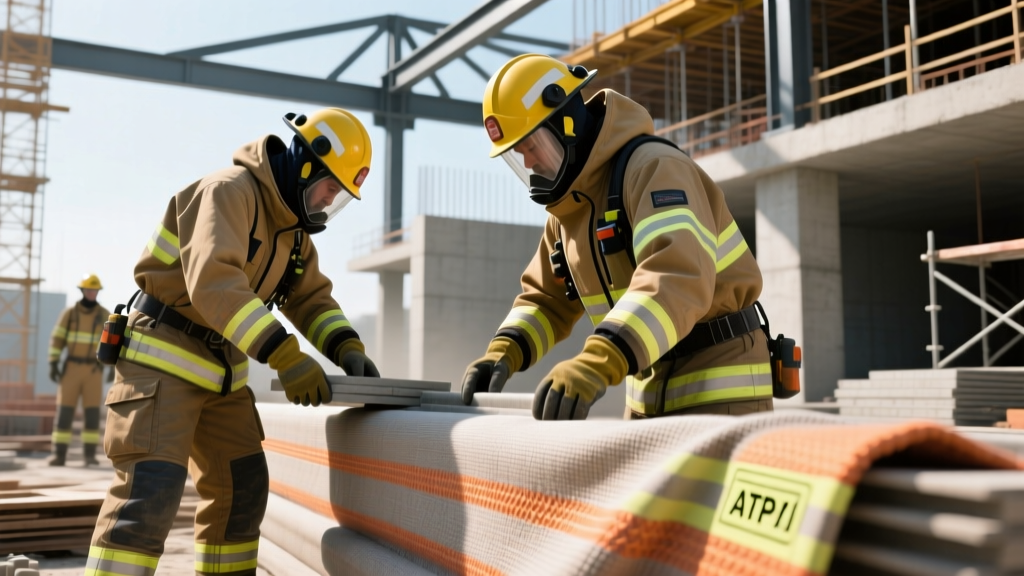
The Physics of Thermal Protection on Site
Construction environments present severe, multi-vector thermal hazards. From arc flashes in temporary electrical panels to flash fires during hot-tap welding and waterproofing torch applications, standard cotton or synthetic workwear is a critical liability. When procuring fire resistant material clothing for electrical and welding subcontractors, site safety managers must look beyond basic compliance labels and understand the underlying polymer chemistry and thermal ratings.
As of 2026, the market for flame-resistant (FR) apparel has bifurcated into two distinct material categories: inherent FR fibers and chemically treated FR fabrics. Selecting the correct material requires matching the fabric's thermal decomposition profile to the specific hazard identified in your site's Job Hazard Analysis (JHA).
Decoding FR Fabric Chemistries
The efficacy of fire resistant material clothing depends entirely on how the fabric reacts when exposed to temperatures exceeding 600°F (315°C).
Inherent FR Materials
Inherent fibers possess non-flammable molecular structures. The FR properties are built into the polymer chain and cannot be washed out or degraded by UV exposure over time.
- Aramids (e.g., DuPont™ Nomex®, Kevlar®): These meta-aramid fibers do not melt, drip, or support combustion. When exposed to extreme heat, the fiber rapidly carbonizes and thickens, creating an insulating char barrier between the heat source and the skin. Ideal for high-heat welding and electrical arc flash protection.
- Modacrylic Blends (e.g., Protex®): Often blended with cotton, rayon, or aramids to improve moisture-wicking and comfort. Modacrylics are inherently flame-resistant and possess excellent chemical resistance, making them ideal for crews working with industrial solvents or epoxy resins.
Treated FR Materials
Treated fabrics, typically 100% cotton or cotton/nylon blends, are subjected to a chemical finish (such as Proban® or Pyrovatex®) that creates a char layer when exposed to heat.
- Application Limitation: The FR treatment degrades over time. Industrial laundering, UV exposure, and chemical contact (specifically bleach and oxidizing agents) strip the protective molecules. Treated FR cotton typically loses its NFPA compliance efficacy after 50 to 75 industrial wash cycles.
- Best Use Case: Short-term contractors, low-budget projects with high garment turnover, or secondary outerwear (like winter jackets) that are not laundered frequently.
Fire resistant material clothing is rendered useless if worn over standard synthetic base layers. Polyester, nylon, and spandex will melt onto the skin at temperatures as low as 350°F, causing severe, difficult-to-treat contact burns. All undergarments worn beneath FR outerwear must be 100% natural fiber (cotton/wool) or inherently FR-rated.
Hazard-to-Material Selection Matrix
Procurement must be driven by the specific thermal energy potential of the task. The following matrix aligns common construction hazards with the required NFPA standards and optimal material selections.
| Site Hazard | Primary Standard | Target Rating | Recommended Material | Est. Garment Cost (2026) |
|---|---|---|---|---|
| Electrical Arc Flash (Panel work) | NFPA 70E / ASTM F1506 | ATPV 8 cal/cm² (Cat 2) | Modacrylic/Cotton Blend (5.5 - 7 oz) | $65 - $95 per shirt |
| Flash Fire (Hot-tap, Torch roofing) | NFPA 2112 | 3-Second Pass / <50% Burn | 100% Inherent Aramid (Nomex IIIA) | $110 - $160 per coverall |
| Molten Metal Splash (Welding, Slag) | ASTM F1506 / ISO 11611 | Class 1 or 2 Splash Rating | Heavyweight FR Cotton or Leather/Aramid | $80 - $140 per jacket |
| General Site Hot Work (Grinding) | OSHA Subpart E | Spark Resistance | Treated FR Cotton (Proban) | $45 - $65 per shirt |
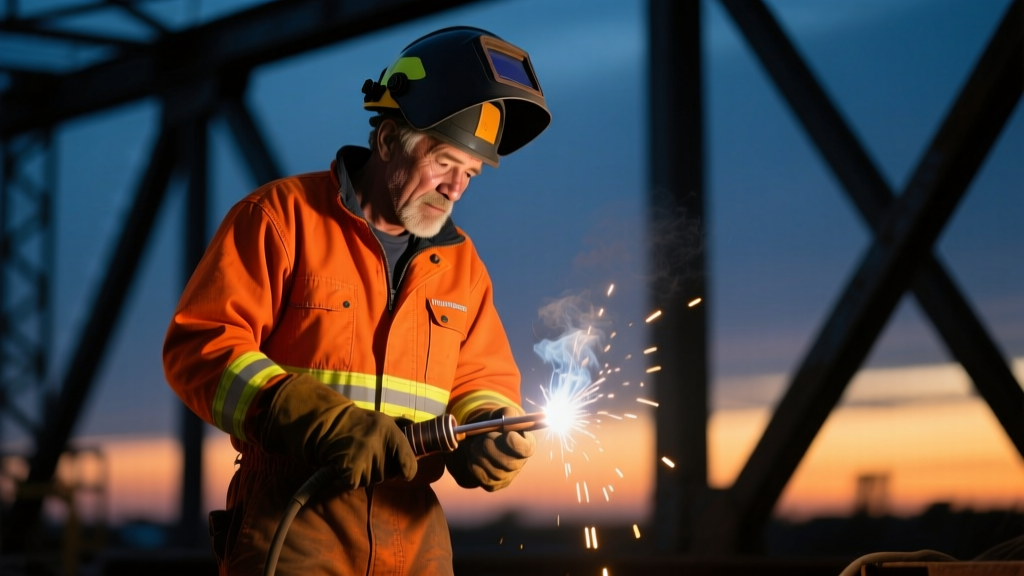
Understanding ATPV and the Layering Multiplier
For electrical and high-voltage utility construction, the Arc Thermal Performance Value (ATPV) is the governing metric. ATPV measures the incident energy (in calories per square centimeter) that a fabric can block before there is a 50% probability of a second-degree burn.
A common misconception among site foremen is that layering two 8 cal/cm² shirts yields a 16 cal/cm² rating. The physics of thermal insulation do not scale linearly. The dead air space trapped between layers provides additional insulation, often resulting in a combined system ATPV that is higher than the sum of the individual layers. However, you must rely on manufacturer-tested system ratings rather than field math. If a task requires 40 cal/cm² (Category 4), crews must be issued tested multi-layer arc flash suits, not multiple standard FR shirts.
Field Degradation and Retirement Criteria
Fire resistant material clothing is a consumable safety asset. Implementing a strict retirement protocol prevents catastrophic PPE failure. Inspect garments weekly for the following degradation triggers:
- Chemical Contamination: Exposure to chlorine bleach, hydrogen peroxide, or strong oxidizing agents permanently breaks down the FR polymer bonds in both treated and some inherent fabrics. Contaminated gear must be retired immediately.
- Flammable Substance Saturation: If FR clothing becomes saturated with grease, oil, or flammable solvents (common in heavy equipment maintenance), the flammable liquid acts as a wick. The garment will ignite and burn, bypassing the fabric's self-extinguishing properties.
- Physical Thinning: Abrasion at the knees, elbows, and cuffs reduces fabric mass. A garment that has lost more than 20% of its original fabric weight through abrasion no longer meets its certified ATPV or NFPA 2112 thermal threshold.
- UV Degradation (Treated FR only): Prolonged exposure to direct sunlight breaks down the chemical FR treatments on cotton garments. If a treated FR shirt shows significant color fading from UV exposure, assume the FR treatment is compromised.
Laundering Protocols for Longevity
To maximize the lifecycle ROI of inherent FR gear (which can last 18 to 36 months under proper care), enforce strict laundering parameters. Wash water must not exceed 140°F (60°C). Fabric softeners must be strictly banned; they coat the fibers in flammable silicone and lipid compounds, drastically reducing the fabric's ignition resistance and moisture-wicking capabilities. Use only standard, non-bleach detergents.
Frequently Asked Questions
Can we use standard high-visibility vests over FR clothing?
No. Standard polyester hi-vis vests will melt during an arc flash or flash fire, causing severe burns. All outerwear, including hi-vis vests and rain gear, must be constructed from inherently FR materials or carry an independent NFPA 2112/70E certification.
Does the color of the FR material affect its safety rating?
The dye does not alter the ATPV or flash fire rating. However, darker colors (navy, black) absorb more UV radiation, which accelerates the degradation of chemically treated FR cotton. For outdoor construction sites, lighter colors (khaki, light grey) will extend the usable life of treated FR garments.
Written by
Sarah WhitfieldSarah Whitfield is a chartered quantity surveyor (MRICS) and construction cost analyst with 15 years of experience in material pricing, procurement strategy, and project budgeting. She earned her degree in Construction Management from the University of Reading (UK) and has worked on projects ranging from $2M custom homes to $180M mixed-use developments across North America and Europe. Sarah currently leads cost estimating for BuildMat Insight, maintaining a proprietary database of 4,000+ material price points updated quarterly. She is a frequent contributor to RSMeans cost data panels and has presented at the International Cost Engineering Council (ICEC) congress. Based in Denver, CO, Sarah is an avid trail runner and volunteer mentor for Women in Construction.
More from Sarah Whitfield
View all
Wood & Lumber
What Are the Different Types of Wood? A Builder's Guide
Compare structural softwoods, finish hardwoods, and engineered lumber. Analyze Janka ratings, MOE values, and 2026 pricing for construction.
Aug 4, 2026

Walls & Panels
Steel Framing vs Wood Framing: Corrosion and Moisture Defense
Compare steel framing vs wood framing for moisture resistance. Learn about galvanized coatings, condensation risks, and corrosion protection strategies.
Jul 21, 2026

Stone & Masonry
How to Cut Stone Veneer: Wet Saw vs Grinder Comparison
Compare the best tools for cutting stone veneer. We review wet saws, angle grinders, and chop saws to help you achieve clean, chip-free cuts.
Jul 21, 2026