Fire Resistant Material for Clothing: 2026 Selection Framework
Discover the 2026 selection framework for choosing the right fire resistant material for clothing, comparing inherent vs. treated FR fabrics and NFPA ratings.
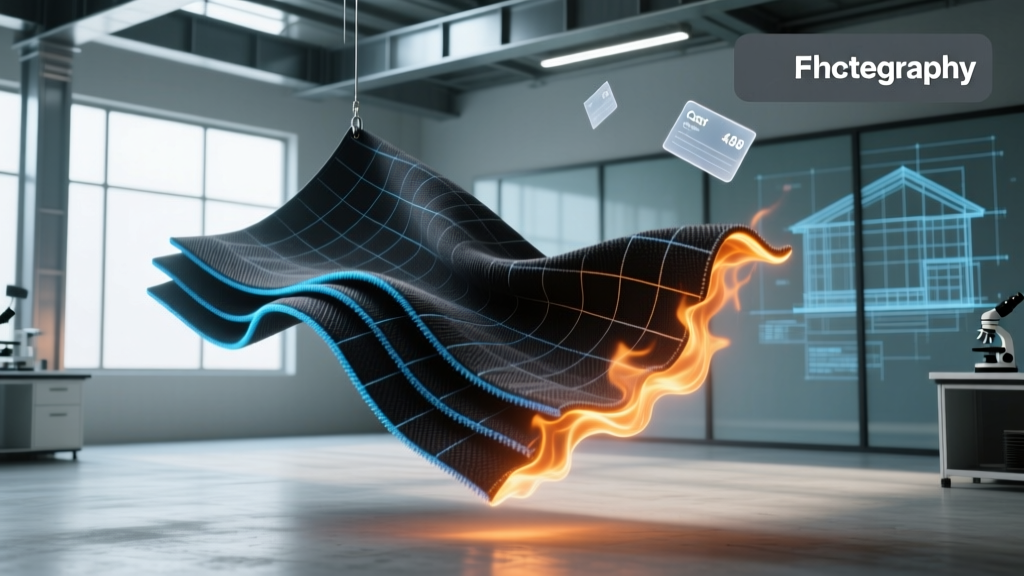
The Hazard-First Selection Matrix
Procuring personal protective equipment (PPE) for construction, electrical, and industrial crews requires moving beyond generic fireproof labels. The selection of the correct fire resistant material for clothing hinges on matching specific thermal hazards with the precise degradation properties of engineered textiles. In 2026, safety managers must differentiate between two primary thermal events: arc flashes and flash fires. Each demands a fundamentally different material response.
Arc Flash vs. Flash Fire Requirements
An arc flash is an explosive release of energy caused by an electrical fault, generating temperatures up to 35,000°F and intense radiant/convective heat. Garments for this hazard must comply with ASTM F1506 and NFPA 70E standards, focusing on insulating the wearer from extreme radiant heat without breaking open. Conversely, a flash fire results from the ignition of combustible dust or gas, spreading rapidly across a workspace. Protection here requires compliance with NFPA 2112, prioritizing materials that self-extinguish instantly and resist heat transfer during a short-duration, high-intensity engulfment.
Selecting a garment rated for flash fire to protect against an arc flash (or vice versa) is a critical compliance failure. The material's char formation, thermal shrinkage, and heat attenuation metrics differ vastly between these two testing protocols.
Inherent vs. Treated FR Fabrics: A Lifecycle Cost Analysis
The most pivotal decision in the procurement framework is choosing between inherent and treated flame-resistant (FR) fibers. This choice dictates not only the upfront budget but the long-term safety trajectory and replacement cycle of the PPE program.
Inherent FR Materials
Inherent FR fabrics are engineered at the molecular level to be non-combustible. The fire resistance is a permanent property of the fiber itself and cannot be degraded by laundering, UV exposure, or chemical contact. Leading inherent materials include:
- Nomex IIIA: A meta-aramid blend (93% Nomex, 5% Kevlar, 2% P-140 carbon) offering exceptional thermal stability and high tensile strength.
- PBI Matrix: Polybenzimidazole blended with Kevlar, providing the highest thermal and flame resistance on the market, though at a premium cost.
- Modacrylic Blends (e.g., Tecasafe Plus): Inherently flame-resistant synthetic fibers often blended with cotton or lyocell for improved moisture-wicking and comfort.
Treated FR Materials
Treated FR fabrics begin as standard combustible fibers (usually cotton or cotton-nylon blends) that are chemically treated with flame-retardant compounds, such as Proban or Indura. While highly effective when new, the FR properties can diminish over time due to industrial laundering, UV degradation, and exposure to oxidizers like bleach or hydrogen peroxide. According to OSHA standard 1910.269, employers must ensure that FR garments maintain their protective properties throughout their usable lifespan, placing the burden of tracking wash cycles and fabric degradation squarely on the safety manager.
| Material Type | Fiber Base | Typical ATPV (cal/cm²) | Weight (oz/yd²) | 2026 Est. Cost (Shirt) | Wash Lifecycle |
|---|---|---|---|---|---|
| Nomex IIIA | Meta-Aramid | 4.5 - 8.0 | 4.5 - 6.0 | $110 - $160 | Lifetime of garment |
| PBI Matrix | PBI / Kevlar | 8.0 - 12.0+ | 5.5 - 7.5 | $180 - $260 | Lifetime of garment |
| Modacrylic Blend | Synthetic / Cellulosic | 8.0 - 11.0 | 5.5 - 7.0 | $90 - $140 | Lifetime of garment |
| FR Cotton (Indura) | Treated Cotton | 8.0 - 11.0 | 6.0 - 9.0 | $45 - $85 | 50 - 100 Washes |
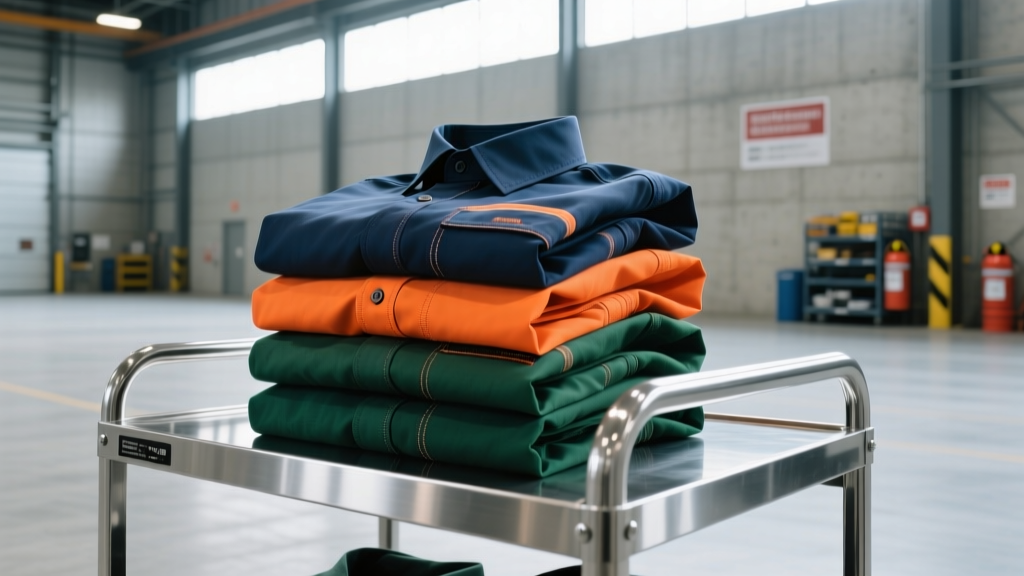
Decoding ATPV, EBT, and HAF Metrics
When reviewing manufacturer spec sheets for fire resistant material for clothing, safety managers will encounter three critical thermal metrics. Misinterpreting these values is a common cause of under-protecting crews.
- ATPV (Arc Thermal Performance Value): Measured in calories per square centimeter (cal/cm²), this represents the incident energy level that yields a 50% probability of the onset of a second-degree burn. A higher ATPV indicates greater protection.
- EBT (Energy Breakopen Threshold): Also measured in cal/cm², EBT is reported when the fabric physically breaks open (tears or bursts) before reaching the second-degree burn criteria. If a garment's rating is listed as EBT rather than ATPV, it means the material's structural integrity failed before its thermal insulation limit was reached.
- HAF (Heat Attenuation Factor): Expressed as a percentage, HAF measures the fabric's ability to block radiant heat. A 70% HAF means the material blocks 70% of the incoming thermal energy.
Expert Insight: Never stack ATPV ratings linearly. Wearing a 4 cal/cm² shirt under an 8 cal/cm² jacket does not automatically yield a 12 cal/cm² system rating. Air gaps, moisture, and material interactions alter the thermal dynamics. Always rely on multi-layer system testing data provided by the manufacturer.
⚠️ The Layering Trap: Meltable Underlayers
A fatal procurement error is issuing high-grade FR outerwear while allowing workers to wear standard synthetic underlayers. Materials like polyester, nylon, rayon, and spandex will melt at relatively low temperatures, fusing directly to the skin during a thermal event. Even a 5% spandex content in an undershirt can cause severe localized burns. Mandate 100% natural fibers (cotton/wool) or certified FR underlayers compliant with OSHA electrical hazard guidelines for all base layers.
Step-by-Step Procurement Framework for Safety Managers
To systematically select the optimal fire resistant material for clothing, follow this four-step procurement workflow:
- Conduct an Arc Flash Risk Assessment (AFRA): Before purchasing any garments, an electrical engineer must calculate the specific incident energy (cal/cm²) at every piece of equipment the crew interacts with. This establishes the minimum required ATPV.
- Map to PPE Categories: Cross-reference the AFRA data with NFPA 70E PPE Categories (CAT 1 through CAT 4). CAT 1 requires a minimum 4 cal/cm² rating, while CAT 4 demands 40 cal/cm² or higher, usually necessitating heavy PBI or multi-layer Nomex systems.
- Evaluate Environmental Ergonomics: High ATPV ratings correlate with heavier, stiffer fabrics (e.g., 7.5 oz/yd² or higher). In hot climates, heavy FR cotton leads to heat stress, causing workers to unbutton collars or roll up sleeves, negating the protection. For high-heat environments, specify lightweight (4.5 oz/yd²) inherent modacrylic blends that offer moisture-wicking properties.
- Implement a Tracking and Retirement Protocol: If utilizing treated FR cotton, integrate a barcode or RFID tracking system into your industrial laundry contract to automatically retire garments after 75 industrial wash cycles, well before the chemical treatment degrades below safety thresholds.
Frequently Asked Technical Questions
Can fire resistant clothing be repaired in the field?
Minor repairs are permissible only if the repair materials (thread, patches, zippers) are inherently FR and meet the same thermal standards as the base garment. Using standard polyester sewing thread will create a structural failure point that will burn through during an arc event, compromising the entire assembly.
Does dirt and grease compromise FR performance?
Yes. Heavy accumulation of combustible contaminants like oil, grease, or sawdust on the exterior of an FR garment can ignite. While the underlying FR material will self-extinguish, the burning contaminants can transfer severe thermal energy through the fabric, causing burns. Garments must be laundered regularly according to manufacturer specifications to remove flammable soils.
How does UV exposure affect treated vs. inherent FR?
Prolonged UV exposure degrades the chemical bonds in treated FR cotton, significantly reducing its flame-resistant lifespan and causing color fading. Inherent materials like Nomex and PBI are highly UV-stable and retain their protective properties and structural integrity even after years of outdoor sun exposure, making them the mandatory choice for exterior construction and utility crews.
Written by
Sarah WhitfieldSarah Whitfield is a chartered quantity surveyor (MRICS) and construction cost analyst with 15 years of experience in material pricing, procurement strategy, and project budgeting. She earned her degree in Construction Management from the University of Reading (UK) and has worked on projects ranging from $2M custom homes to $180M mixed-use developments across North America and Europe. Sarah currently leads cost estimating for BuildMat Insight, maintaining a proprietary database of 4,000+ material price points updated quarterly. She is a frequent contributor to RSMeans cost data panels and has presented at the International Cost Engineering Council (ICEC) congress. Based in Denver, CO, Sarah is an avid trail runner and volunteer mentor for Women in Construction.
More from Sarah Whitfield
View all
Wood & Lumber
What Are the Different Types of Wood? A Builder's Guide
Compare structural softwoods, finish hardwoods, and engineered lumber. Analyze Janka ratings, MOE values, and 2026 pricing for construction.
Aug 4, 2026

Walls & Panels
Steel Framing vs Wood Framing: Corrosion and Moisture Defense
Compare steel framing vs wood framing for moisture resistance. Learn about galvanized coatings, condensation risks, and corrosion protection strategies.
Jul 21, 2026

Stone & Masonry
How to Cut Stone Veneer: Wet Saw vs Grinder Comparison
Compare the best tools for cutting stone veneer. We review wet saws, angle grinders, and chop saws to help you achieve clean, chip-free cuts.
Jul 21, 2026