Roof Waterproofing Materials Cost Breakdown & Pricing Guide 2026
Detailed 2026 cost breakdown for roof waterproofing materials. Compare pricing for EPDM, TPO, PVC, liquid membranes, and modified bitumen per square foot.
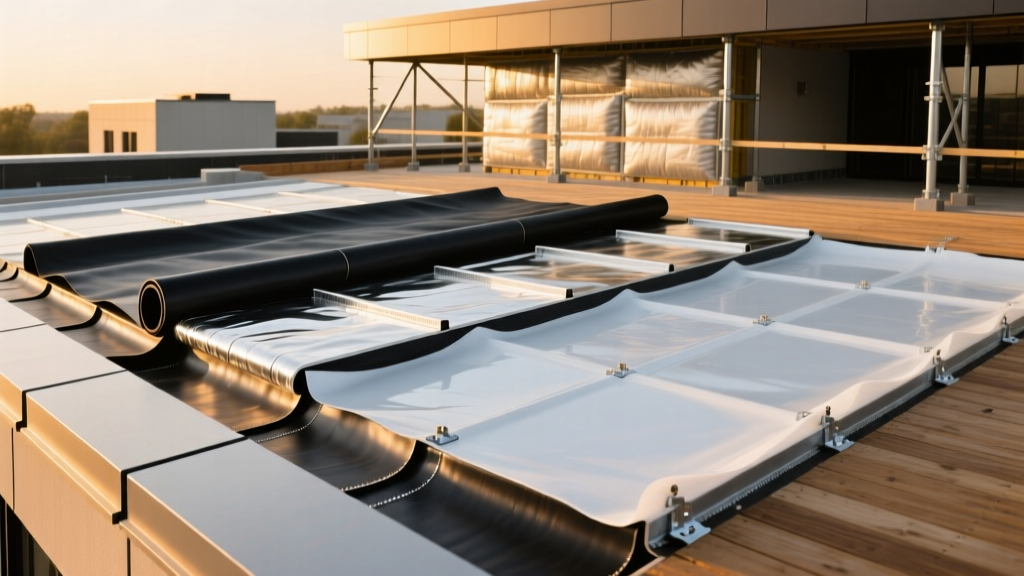
The True Cost of Roof Waterproofing in 2026
Selecting roof waterproofing materials requires balancing immediate capital expenditure against long-term lifecycle performance. In 2026, material costs have stabilized following supply chain shifts, but specialized labor rates for hot-air welding and torch-applied systems have increased by 8% to 12% nationally. A superficial comparison of per-square-foot material costs is insufficient; facility managers and contractors must evaluate substrate preparation, insulation integration, and seam failure probabilities to determine the true financial impact of a roofing system.
- Acrylic Liquid Membranes: $1.20 – $2.00 per sq. ft.
- Polyurethane Liquid Membranes: $2.50 – $4.20 per sq. ft.
- TPO (Thermoplastic Polyolefin): $1.50 – $2.60 per sq. ft.
- EPDM (Ethylene Propylene Diene Monomer): $1.80 – $3.10 per sq. ft.
- PVC (Polyvinyl Chloride): $2.80 – $4.80 per sq. ft.
- SBS Modified Bitumen: $2.10 – $3.60 per sq. ft.
Material-by-Material Cost and Performance Breakdown
Liquid Applied Membranes (Polyurethane and Acrylic)
Liquid membranes are ideal for complex roof geometries with extensive HVAC penetrations, as they form a seamless, monolithic barrier. Pricing varies drastically based on the chemical base and required mil thickness.
Acrylic Elastomerics (e.g., Henry 587 Dura-Brite): Priced at $1.20 to $2.00 per square foot, acrylics are the most cost-effective option for low-slope roofs in dry climates. They require a minimum application of 40 dry mils. However, acrylics are water-based and cannot cure if ponding water exists for more than 48 hours, leading to emulsification and catastrophic failure.
Moisture-Cured Polyurethanes (e.g., Tremco Vulkem 116): Ranging from $2.50 to $4.20 per square foot, polyurethanes offer superior puncture resistance and can withstand permanent ponding water. They require strict substrate moisture testing (concrete must be below 20% moisture content via ASTM D4263) before application to prevent outgassing and blistering. A typical two-coat system with a polyester reinforcing fleece at seams and penetrations adds $0.85 per square foot in material costs.
Single-Ply Membranes (TPO, PVC, EPDM)
Single-ply sheets dominate the commercial flat roof market. According to the Whole Building Design Guide, the longevity of these systems relies heavily on seam integrity and wind uplift resistance (FM 1-90 or higher).
TPO (Thermoplastic Polyolefin): GAF EverGuard and Carlisle Sure-Weld TPO remain industry standards, costing $1.50 to $2.60 per square foot for 60-mil sheets. TPO requires hot-air welding at temperatures exceeding 1,000°F. The primary failure mode is seam peeling due to inconsistent welder speed or ambient temperature fluctuations during installation. TPO is highly reflective, meeting Department of Energy cool roof standards, which can reduce building cooling loads by 10% to 15%.
PVC (Polyvinyl Chloride): At $2.80 to $4.80 per square foot, PVC (like Carlisle FlexMem or Johns Manville PVC) is the premium choice for roofs exposed to animal fats, vegetable oils, or chemical exhaust, which rapidly degrade TPO. PVC seams are solvent-welded or hot-air welded, creating a bond stronger than the membrane itself. The historical risk of plasticizer migration causing brittleness has been largely mitigated in modern formulations using polymeric plasticizers.
EPDM (Ethylene Propylene Diene Monomer): Costing $1.80 to $3.10 per square foot, EPDM is a synthetic rubber prized for its extreme cold-weather flexibility and UV stability. Unlike thermoplastics, EPDM seams rely on liquid adhesives or double-sided tape. The primary edge case for EPDM is seam shrinkage over a 15-year period, which can pull the membrane away from flashings if not properly reinforced with uncured EPDM flashing details.
Modified Bitumen (SBS and APP)
Modified bitumen bridges the gap between traditional Built-Up Roofing (BUR) and single-ply systems. SBS (Styrene-Butadiene-Styrene) modified membranes, such as Johns Manville DynaBase, cost $2.10 to $3.60 per square foot. SBS is rubber-modified, offering exceptional elongation in freezing temperatures, and is typically torch-applied or cold-adhered. APP (Atactic Polypropylene) is plastic-modified, offering higher melting points and superior UV resistance, but becomes brittle below freezing. Torch-applied systems carry a 15% to 20% labor premium due to fire watch requirements and specialized insurance mandates.
Hidden Costs: Substrate Prep, Insulation, and Labor
Material costs typically represent only 25% to 35% of the total project budget. Ignoring the ancillary costs leads to severe budget overruns.
- Tear-Off and Disposal: Removing an existing 2-ply BUR system costs $1.80 to $3.50 per square foot, heavily influenced by local landfill tipping fees and asbestos/PCB testing requirements.
- Insulation Upgrades: Meeting 2026 IECC (International Energy Conservation Code) R-value requirements often necessitates installing 4 to 6 inches of polyisocyanurate (polyiso) insulation. Polyiso costs $0.90 to $1.40 per square foot per inch of thickness.
- Substrate Preparation: Power washing, grinding concrete blisters, and applying primer (e.g., asphalt-based primer at $0.35/sq. ft.) are mandatory for liquid and mod-bit adhesion.
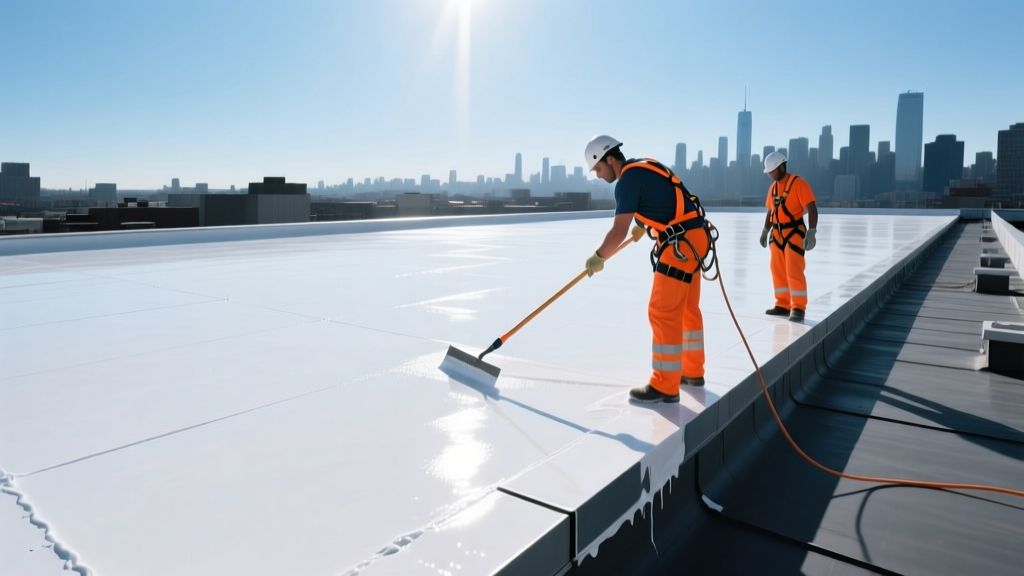
- Specialized Labor: Union roofing labor rates in major metropolitan areas range from $65 to $115 per hour. Hot-air welding and torch application demand certified technicians, pushing installation costs 20% higher than mechanically fastened systems.
Total Installed Cost Matrix (2026 Estimates)
The following table provides the fully burdened installed cost per square foot (100 sq. ft. = 1 roofing square) for a standard 10,000 sq. ft. commercial flat roof, including tear-off, 2 layers of polyiso insulation, and the waterproofing layer.
| Material System | Material Cost / Sq. Ft. | Labor & Prep / Sq. Ft. | Total Installed / Sq. Ft. | Expected Lifespan |
|---|---|---|---|---|
| Acrylic Liquid Coating | $1.60 | $3.50 | $5.10 | 10 - 15 Years |
| EPDM (Fully Adhered) | $2.45 | $5.20 | $7.65 | 20 - 25 Years |
| TPO (60-mil, Mechanically Fastened) | $2.10 | $4.80 | $6.90 | 15 - 20 Years |
| PVC (60-mil, Fully Adhered) | $3.80 | $6.10 | $9.90 | 20 - 30 Years |
| SBS Modified Bitumen (2-Ply Torch) | $2.85 | $6.50 | $9.35 | 20 - 25 Years |
Lifecycle Cost Analysis: Cheap Upfront vs. Long-Term Value
Facility managers often default to mechanically fastened TPO or acrylic coatings to minimize initial capital outlay. However, calculating the Net Present Value (NPV) of the roof over a 30-year holding period reveals a different financial reality. Acrylic coatings require re-application every 10 years, meaning a 30-year lifecycle involves three full material and labor cycles. Conversely, a fully adhered PVC or SBS modified bitumen system, while costing 40% more upfront, often requires only minor maintenance and flashing repairs over the same period. According to technical bulletins from the National Roofing Contractors Association (NRCA), fully adhered systems also demonstrate vastly superior resistance to wind uplift and hail impact, significantly reducing insurance deductibles and premature replacement risks.
Expert Insight: The most expensive roof is the one you have to replace twice in 30 years. When specifying roof waterproofing materials, always mandate a 20-year No Dollar Limit (NDL) warranty from the manufacturer. This requires the contractor to use approved accessory materials (flashings, adhesives, fasteners) and pass a third-party inspection, effectively eliminating the most common failure points at parapets and drains.
Decision Framework: Matching Material to Roof Pitch and Climate
Do not select roof waterproofing materials based solely on price. Use this framework to match the material to the physical constraints of the building:
- Dead-Flat Roofs with Ponding Water: Avoid acrylics and standard EPDM. Specify moisture-cured polyurethane liquids, PVC, or SBS modified bitumen. PVC and polyurethane will not degrade when submerged.
- High-Wind Coastal Zones (Hurricane Prone): Avoid mechanically fastened TPO. Specify fully adhered PVC or EPDM with enhanced edge metal detailing and FM 1-135 wind uplift ratings.
- Extreme Cold Climates (Sub-Zero Winters): Avoid APP modified bitumen and standard TPO (which can shatter under impact when frozen). Specify SBS modified bitumen or 60-mil+ EPDM, which retain elasticity at -40°F.
- Restaurants and Food Processing Facilities: Avoid TPO and EPDM entirely. Grease and lipid exhaust dissolve these membranes. PVC is the only code-compliant and chemically resistant option.
Frequently Asked Questions
Can I apply liquid roof waterproofing materials over existing EPDM?
Direct application of acrylic or polyurethane over EPDM is generally not recommended due to the bleeding of oils from the rubber, which degrades the coating. If coating EPDM is necessary, you must first apply a specialized bleed-blocking primer, such as a water-based epoxy or an asphalt-aluminum barrier coat, adding $0.75 to $1.10 per square foot to the project cost.
How does roof slope affect the cost of single-ply membranes?
Single-ply membranes like TPO and EPDM are designed for low-slope applications (minimum 1/4:12 pitch). If your roof has a steep pitch exceeding 3:12, labor costs increase by 30% to 50% due to the necessity of roof jacks, fall arrest systems, and slower material handling. For steep slopes, transitioning to asphalt shingles, metal standing seam, or slate is more cost-effective and structurally appropriate.
What is the cost impact of adding a vapor retarder?
In climate zones 5 and higher, or in buildings with high interior humidity (pools, commercial kitchens), a Class I vapor retarder is required beneath the insulation to prevent interstitial condensation. Adding a 6-mil polyethylene sheet or a self-adhered modified bitumen vapor barrier costs between $0.60 and $1.20 per square foot installed, but prevents catastrophic insulation rot and deck corrosion.
Written by
Sarah WhitfieldSarah Whitfield is a chartered quantity surveyor (MRICS) and construction cost analyst with 15 years of experience in material pricing, procurement strategy, and project budgeting. She earned her degree in Construction Management from the University of Reading (UK) and has worked on projects ranging from $2M custom homes to $180M mixed-use developments across North America and Europe. Sarah currently leads cost estimating for BuildMat Insight, maintaining a proprietary database of 4,000+ material price points updated quarterly. She is a frequent contributor to RSMeans cost data panels and has presented at the International Cost Engineering Council (ICEC) congress. Based in Denver, CO, Sarah is an avid trail runner and volunteer mentor for Women in Construction.
More from Sarah Whitfield
View all
Wood & Lumber
What Are the Different Types of Wood? A Builder's Guide
Compare structural softwoods, finish hardwoods, and engineered lumber. Analyze Janka ratings, MOE values, and 2026 pricing for construction.
Aug 4, 2026

Walls & Panels
Steel Framing vs Wood Framing: Corrosion and Moisture Defense
Compare steel framing vs wood framing for moisture resistance. Learn about galvanized coatings, condensation risks, and corrosion protection strategies.
Jul 21, 2026

Stone & Masonry
How to Cut Stone Veneer: Wet Saw vs Grinder Comparison
Compare the best tools for cutting stone veneer. We review wet saws, angle grinders, and chop saws to help you achieve clean, chip-free cuts.
Jul 21, 2026