Waterproof Material Fabric Cost Breakdown: 2026 Pricing Guide
Detailed 2026 cost breakdown for waterproof material fabric. Compare PVC, PTFE, and TPU membrane pricing, fabrication, and installation labor rates.

Architectural vs. Utilitarian Waterproof Membranes
Specifying the correct waterproof material fabric for architectural, industrial, or temporary enclosures requires navigating a complex pricing matrix. Unlike rigid building materials, fabric membranes incur costs across three distinct phases: raw material procurement, specialized fabrication (welding and patterning), and tensioned installation. In 2026, supply chain stabilization has normalized the cost of base polymers, but advanced top-coatings for UV resistance and self-cleaning properties have introduced new pricing tiers.
When evaluating waterproof material fabric, estimators must separate utilitarian tarps (short-term polyethylene or basic vinyl) from engineered architectural membranes (PVDF-coated polyester, PTFE fiberglass, and TPU laminates). The latter category requires precise structural engineering, resulting in vastly different cost-per-square-foot metrics.
2026 Material Cost Matrix: Waterproof Fabric Types
The table below outlines current market rates for engineered waterproof fabrics. Prices reflect wholesale B2B procurement for commercial projects exceeding 2,000 square feet.
| Material Type | Base Cost (per sq. ft.) | Fabrication Adder | Expected Lifespan | Primary Application |
|---|---|---|---|---|
| PVC-Coated Polyester (e.g., Sioen, Ferrari Precontraint) | $2.80 - $5.50 | +$1.50 - $3.00 | 15 - 20 Years | Tension roofs, stadium canopies, industrial enclosures |
| PTFE-Coated Fiberglass (e.g., Saint-Gobain Sheerfill) | $18.00 - $32.00 | +$6.00 - $12.00 | 30+ Years | Permanent civic structures, airport terminals, skylights |
| TPU Laminated Nylon/Polyester | $4.20 - $8.50 | +$2.00 - $4.50 | 10 - 15 Years | Inflatable structures, high-flex temporary domes, medical tents |
| RPE (Reinforced Polyethylene) | $0.65 - $1.40 | +$0.30 - $0.80 | 3 - 5 Years | Temporary construction enclosures, scaffolding wraps, pond liners |
Fabrication and Welding: The Hidden Cost Multiplier
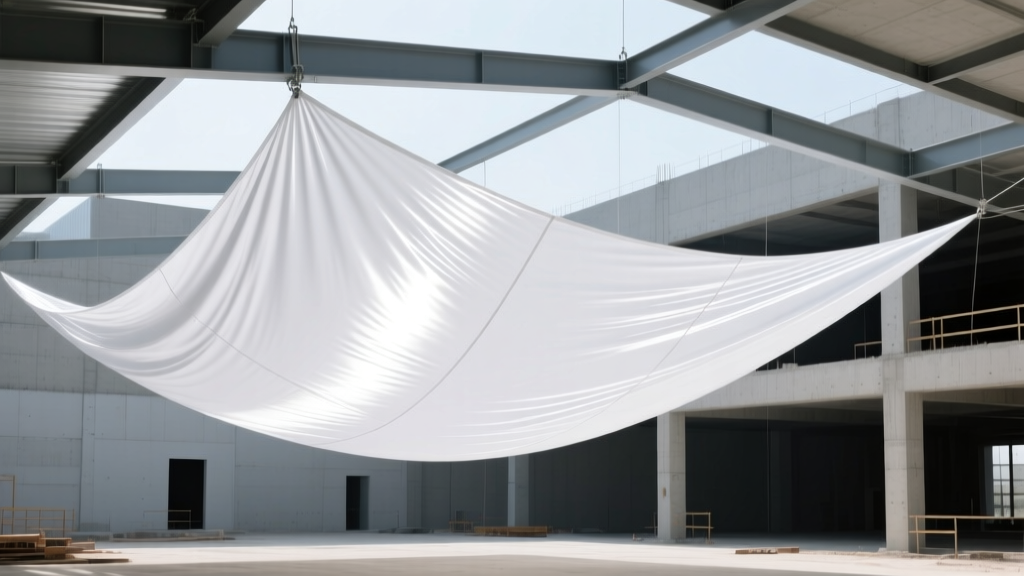
Waterproof material fabric is almost never installed in its raw roll form. To achieve structural integrity and watertight seams, panels must be CNC-cut and welded. The method of welding drastically alters the final square-footage cost.
High-Frequency (HF) vs. Hot Air Welding
- High-Frequency (HF) Welding: Utilizes electromagnetic energy to melt the polymer coating from the inside out. This creates a seam that is often stronger than the parent fabric. HF welding is mandatory for PVC and TPU architectural membranes. Cost impact: $2.50 to $4.50 per linear foot of seam.
- Hot Air Wedge Welding: Uses heated air and pressure rollers. Primarily used for RPE, HDPE, and heavier geomembranes. It is faster but less aesthetically pleasing for exposed architectural applications. Cost impact: $1.00 to $2.00 per linear foot.
- PTFE Sewing and Fusing: Fiberglass-based PTFE fabrics cannot be HF welded. They require specialized Teflon-thread sewing followed by heat-fusing PTFE tape over the needle holes. This labor-intensive process is why PTFE fabrication costs are triple those of PVC. Cost impact: $8.00 to $15.00 per linear foot.
Edge Finishing and Keder Integration
To attach the fabric to aluminum extrusions or steel perimeters, a keder bead (a flexible rope encased in fabric) is often welded to the membrane's edge. Specifying a keder edge finish adds approximately $3.50 to $6.00 per linear foot to the fabrication budget but eliminates the need for field-drilled grommets, which are notorious failure points for water infiltration and tearing.
Hardware, Rigging, and Installation Labor
The physical installation of tensioned waterproof fabric requires specialized crews. General roofing contractors are typically not certified for biaxial tensioning. Expect to pay a premium for specialized membrane installers.
Typical Installation Labor Rates (2026):
- Membrane Rigging & Tensioning Crew: $175 - $250 per hour, per technician.
- Crane / Scissor Lift Rental: $800 - $1,500 per day (depending on reach and tonnage).
- Aluminum Perimeter Extrusions: $12.00 - $28.00 per linear foot, depending on the profile complexity and structural load requirements.
- Stainless Steel Cable & Fittings: $4.00 - $9.00 per linear foot for structural boundary cables.
Lifecycle Cost Analysis: PVC vs. PTFE
When evaluating the ROI of waterproof material fabric, the initial material cost is secondary to the lifecycle maintenance and replacement schedule.
'While PTFE-coated fiberglass commands a 400% premium over PVC-coated polyester in initial material costs, its 30-year lifespan and self-cleaning properties (driven by UV-activated titanium dioxide topcoats) often result in a lower total cost of ownership for municipal projects exceeding a 25-year horizon.'
PVC Failure Modes to Budget For:
Lower-tier PVC fabrics suffer from plasticizer migration. Over 10-12 years, the chemical plasticizers that keep the PVC flexible leach out due to UV exposure and thermal cycling. The fabric becomes brittle, leading to micro-cracking at the weld seams. To prevent this, specify fabrics with a PVDF (Polyvinylidene Fluoride) top-coat, such as Serge Ferrari's Precontraint line, which locks in plasticizers and adds roughly $0.80 per square foot to the material cost while extending the lifespan by 40%.
Compliance, Testing, and Certification Costs
Commercial applications of waterproof material fabric require strict adherence to fire and structural codes. Sourcing uncertified fabric from overseas distributors to save on base costs will result in failed municipal inspections and forced tear-downs.
Fire Retardancy (NFPA 701)
For any fabric used in public assemblies, stadiums, or commercial enclosures, the material must pass NFPA 701 fire tests. Reputable manufacturers include this certification in their base price. If you are sourcing a custom or generic fabric, independent batch testing costs between $1,500 and $3,000 per material variation.
Coating Adhesion and Tensile Strength (ASTM D751)
The structural integrity of coated fabrics is governed by ASTM D751, which tests hydrostatic resistance, coating adhesion, and tensile strength. Ensure your procurement contract explicitly requires the supplier to provide a certified mill test report (MTR) referencing ASTM D751 compliance for the specific roll batch being delivered.
Procurement Framework: How to Specify and Buy
To avoid budget overruns and material failures, follow this specification protocol when purchasing waterproof material fabric:
- Define the Biaxial Load: Do not just specify 'waterproof fabric.' Provide the structural engineer's required warp and weft tensile strengths (measured in lbs/inch or kN/m).
- Mandate Precontraint Technology: For PVC, specify biaxial pre-tensioning during the manufacturing process. This prevents the fabric from sagging or pooling water after installation, a common issue with standard calendered PVC.
- Require Weld Samples: Before authorizing full fabrication, require the fabricator to submit 12-inch weld samples for destructive peel testing.
- Factor in 15% Waste: Complex hyperbolic paraboloid (saddle) shapes generate significant off-cuts during CNC patterning. Always add a 12% to 15% waste factor to your raw material square footage calculations.
By understanding the interplay between raw polymer costs, specialized welding techniques, and structural hardware, project managers can accurately forecast the true installed cost of waterproof material fabric systems and avoid the hidden expenses that frequently derail membrane construction projects.
Written by
Sarah WhitfieldSarah Whitfield is a chartered quantity surveyor (MRICS) and construction cost analyst with 15 years of experience in material pricing, procurement strategy, and project budgeting. She earned her degree in Construction Management from the University of Reading (UK) and has worked on projects ranging from $2M custom homes to $180M mixed-use developments across North America and Europe. Sarah currently leads cost estimating for BuildMat Insight, maintaining a proprietary database of 4,000+ material price points updated quarterly. She is a frequent contributor to RSMeans cost data panels and has presented at the International Cost Engineering Council (ICEC) congress. Based in Denver, CO, Sarah is an avid trail runner and volunteer mentor for Women in Construction.
More from Sarah Whitfield
View all
Wood & Lumber
What Are the Different Types of Wood? A Builder's Guide
Compare structural softwoods, finish hardwoods, and engineered lumber. Analyze Janka ratings, MOE values, and 2026 pricing for construction.
Aug 4, 2026

Walls & Panels
Steel Framing vs Wood Framing: Corrosion and Moisture Defense
Compare steel framing vs wood framing for moisture resistance. Learn about galvanized coatings, condensation risks, and corrosion protection strategies.
Jul 21, 2026

Stone & Masonry
How to Cut Stone Veneer: Wet Saw vs Grinder Comparison
Compare the best tools for cutting stone veneer. We review wet saws, angle grinders, and chop saws to help you achieve clean, chip-free cuts.
Jul 21, 2026