Sourcing El Paisa Building Materials: 2026 Market Trends
Explore 2026 trends for El Paisa building materials, including clay tile specs, brick pricing, supply chain lead times, and energy code compliance.

The 2026 Market Position for El Paisa Building Materials
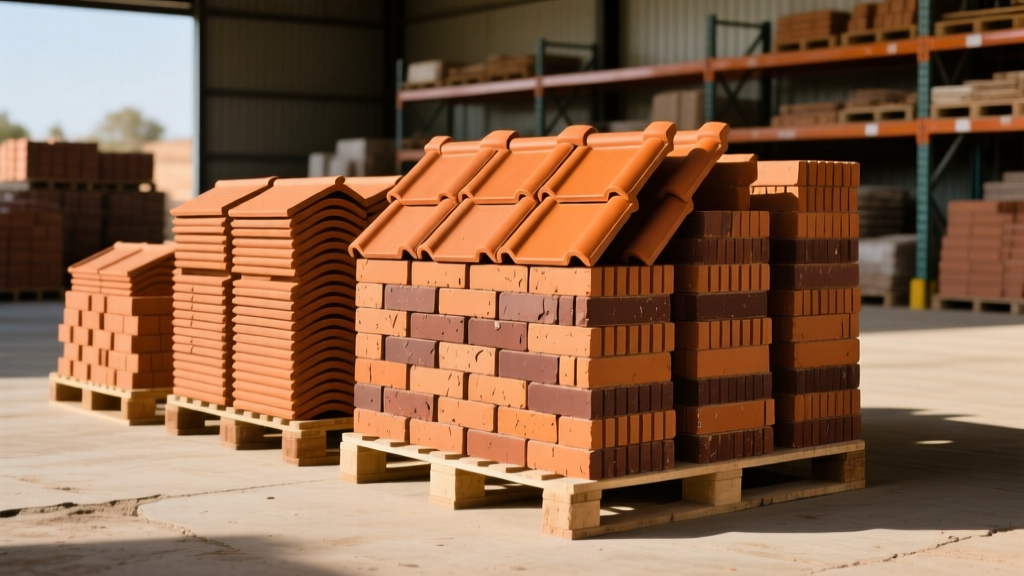
El Paisa building materials have carved out a distinct and highly sought-after niche in the North American and Latin American construction sectors. Primarily recognized for their high-fired terracotta clay roofing tiles, artisan face bricks, and specialized stucco base coats, these products bridge the gap between traditional aesthetics and modern structural performance. As architects and general contractors navigate the 2026 construction landscape, the demand for high-thermal-mass, naturally sourced masonry has surged, driven by stricter energy codes and a renewed focus on material longevity.
Unlike mass-produced concrete alternatives, El Paisa's signature clay and brick lines are manufactured using traditional kiln-firing techniques that reach temperatures between 1,800°F and 2,000°F. This vitrification process results in exceptionally low water absorption rates and high compressive strength, making these materials highly resilient against freeze-thaw cycles and coastal salt spray. For procurement teams and project managers, understanding the technical specifications, current pricing shifts, and installation nuances of these materials is critical for accurate bidding and successful project execution.
Technical Specifications and 2026 Pricing Matrix
When specifying El Paisa building materials for commercial or high-end residential projects, it is essential to align the product grades with local building codes. The following matrix outlines the core product lines, their governing ASTM standards, and current 2026 market pricing.
| Product Line | ASTM Standard | Compressive Strength / Weight | Water Absorption | 2026 Est. Pricing |
|---|---|---|---|---|
| 'Colonial' Barrel Clay Tile | ASTM C1167 (Grade 1) | 1,150 lbs per square | < 6.0% | $9.50 - $11.20 / sq. ft. |
| 'Antiguo' Artisan Face Brick | ASTM C216 (FBS Grade) | 8,500 psi minimum | < 3.0% | $720 - $810 / thousand |
| Heavy-Build Stucco Base Coat | ASTM C926 / C1063 | 2,200 psi (28-day cure) | N/A | $24.50 / 80-lb bag |
| 'Teja Plana' Flat Clay Tile | ASTM C1167 (Grade 1) | 950 lbs per square | < 5.5% | $10.10 - $12.50 / sq. ft. |
Prices reflect regional distribution averages for Q1 2026 and do not include specialized freight surcharges for orders requiring less-than-truckload (LTL) shipping. According to the Brick Industry Association, premium face brick pricing has stabilized following the supply chain disruptions of the early 2020s, though artisan and custom-run kiln batches still command a 15% to 20% premium over standard extruded brick.
Supply Chain Realities: Lead Times and Procurement
Sourcing El Paisa building materials requires strategic scheduling. Because the highest demand is currently centered in the Sunbelt and coastal regions, regional distributors often experience inventory bottlenecks on specific colorways, particularly the 'Terracotta Rojo' and 'Ocre Antiguo' finishes.
If your project requires a custom color match or a non-standard modular brick size (e.g., Norman or Oversize), anticipate a 12 to 16-week lead time. Kilns are batch-fired, and manufacturers prioritize full-run pallets. Always order a 7% overage for artisan face brick and a 10% overage for clay roofing tiles to account for breakage during transit and cutting waste on complex roof geometries.
For standard inventory items, lead times have normalized to 14–21 days from regional hubs in Texas, Florida, and California. Freight optimization is crucial; ordering in full-truckload (FTL) increments of approximately 40,000 to 44,000 lbs dramatically reduces the per-unit landed cost compared to LTL pallet shipments.
Thermal Mass and Energy Code Compliance
A major driver for El Paisa building materials in 2026 is their inherent thermal mass, which plays a vital role in meeting the latest iterations of the International Energy Conservation Code (IECC) and achieving LEED v4.1 certification. High-density clay and brick absorb solar heat during the day and release it slowly at night, flattening the building's peak cooling loads.
- Heat Capacity (HC): Standard El Paisa face brick walls (4-inch nominal thickness) provide an HC value of approximately 7.2 Btu/ft²·°F, easily satisfying the prescriptive thermal mass requirements in climate zones 2 through 4.
- LEED Material Credits: Many El Paisa product lines now come with verified Environmental Product Declarations (EPDs). Specifying these EPD-backed materials contributes directly to the Materials and Resources (MR) credit category in the USGBC LEED rating system.
- Albedo and Solar Reflectance: Lighter-colored 'Teja Plana' flat tiles offer a Solar Reflectance Index (SRI) of 25 or higher, aiding in compliance with cool-roof mandates in dense urban heat island zones.
Installation Best Practices for High-Wind Zones
The longevity of clay roofing tiles and masonry veneers relies entirely on proper installation. In coastal and high-wind velocity hazard areas (HVHZ), standard mechanical fastening is no longer sufficient to pass 2026 structural inspections without supplementary adhesion.
'When installing clay tiles in wind zones exceeding 110 mph, reliance on nails alone is a critical failure point. The integration of two-part polyurethane tile adhesives, applied in a 3-inch ribbon at the tile lap, increases wind uplift resistance by over 60% compared to mechanical fasteners alone.'
— Adapted from the Tile Roofing Institute (TRI) Installation Guidelines
For masonry applications involving El Paisa artisan brick, mortar selection is paramount. Type N mortar (750 psi) is often mistakenly specified for its workability, but Type S mortar (1,800 psi minimum compressive strength) is strictly required for exterior load-bearing and veneer applications subjected to severe weathering. The mortar joint should be tooled to a concave profile to compress the surface and maximize water shedding.
Frequently Asked Questions
Can El Paisa clay tiles be installed on low-slope roofs?
Standard barrel and flat clay tiles require a minimum roof pitch of 4:12. For slopes between 2.5:12 and 4:12, installation is only permissible if a continuous self-adhering polymer-modified bitumen underlayment is applied over the decking, and all head joints are sealed with a compatible polyurethane sealant. Slopes below 2.5:12 strictly prohibit the use of overlapping clay tile systems due to capillary action and wind-driven rain intrusion.
How do I address efflorescence on El Paisa face brick?
Efflorescence (the white, powdery salt deposit) is common in new masonry and is primarily driven by moisture moving through the wall assembly. To mitigate this, ensure the brick is stored off the ground and covered on-site. Post-installation, clean the masonry using a diluted solution of propylene glycol-based masonry cleaner rather than harsh muriatic acid, which can etch the kiln-fired surface and exacerbate future salt migration. Always test the cleaning solution on an inconspicuous 4x4 foot area first.
Are these materials suitable for seismic zones?
Yes, but with specific engineering caveats. Unreinforced masonry is restricted in high seismic design categories (SDC D, E, and F). El Paisa face brick must be detailed as an anchored veneer, tied to a structural backup (steel studs or concrete masonry) using adjustable corrugated wire ties spaced no more than 16 inches on center vertically and 24 inches on center horizontally. A 2-inch clear air space must be maintained behind the veneer and kept completely free of mortar droppings to allow for proper drainage and differential movement during seismic events.
Written by
Sarah WhitfieldSarah Whitfield is a chartered quantity surveyor (MRICS) and construction cost analyst with 15 years of experience in material pricing, procurement strategy, and project budgeting. She earned her degree in Construction Management from the University of Reading (UK) and has worked on projects ranging from $2M custom homes to $180M mixed-use developments across North America and Europe. Sarah currently leads cost estimating for BuildMat Insight, maintaining a proprietary database of 4,000+ material price points updated quarterly. She is a frequent contributor to RSMeans cost data panels and has presented at the International Cost Engineering Council (ICEC) congress. Based in Denver, CO, Sarah is an avid trail runner and volunteer mentor for Women in Construction.
More from Sarah Whitfield
View all
Wood & Lumber
What Are the Different Types of Wood? A Builder's Guide
Compare structural softwoods, finish hardwoods, and engineered lumber. Analyze Janka ratings, MOE values, and 2026 pricing for construction.
Aug 4, 2026

Walls & Panels
Steel Framing vs Wood Framing: Corrosion and Moisture Defense
Compare steel framing vs wood framing for moisture resistance. Learn about galvanized coatings, condensation risks, and corrosion protection strategies.
Jul 21, 2026

Stone & Masonry
How to Cut Stone Veneer: Wet Saw vs Grinder Comparison
Compare the best tools for cutting stone veneer. We review wet saws, angle grinders, and chop saws to help you achieve clean, chip-free cuts.
Jul 21, 2026