What Material is Best for Kitchen Sink: 2026 Cost Analysis
Discover what material is best for kitchen sink projects in 2026. Compare upfront costs, hidden installation fees, and long-term ROI for top sink materials.
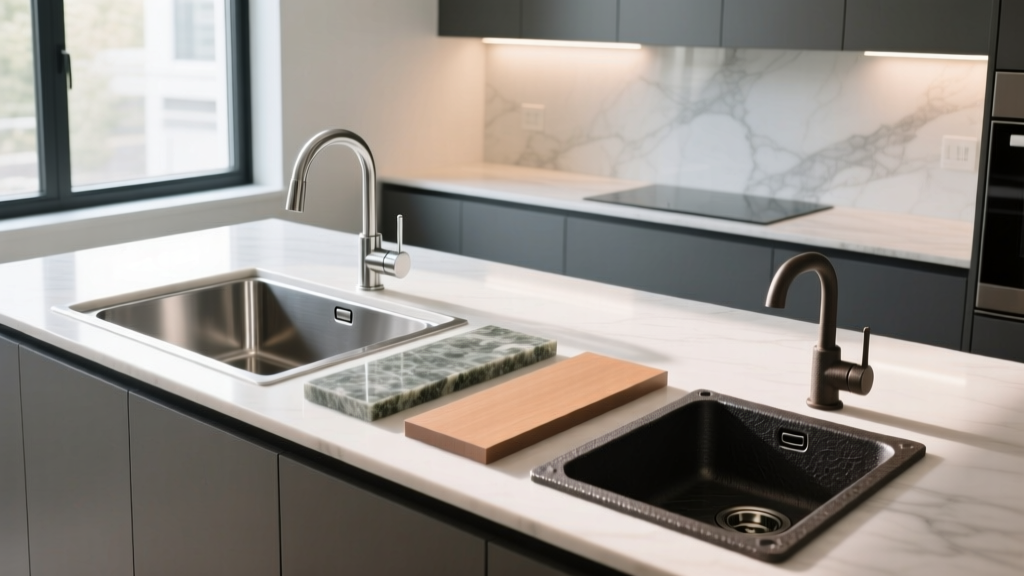
The True Cost of Kitchen Sink Materials: Beyond the Retail Price
When homeowners and contractors ask what material is best for kitchen sink installations, the conversation usually stops at aesthetics and the retail price tag. However, a true cost analysis requires evaluating the total lifecycle expense. This includes the initial unit cost, specialized countertop fabrication, cabinet reinforcement, plumbing modifications, and long-term maintenance or replacement risks. A $200 sink that requires $400 in custom carpentry and chips within five years is a poor investment compared to a $600 sink that drops into an existing cutout and lasts three decades.
This 2026 cost analysis breaks down the financial and structural realities of the four dominant kitchen sink materials: stainless steel, fireclay, composite granite, and copper. We will examine exact gauge specifications, hidden installation premiums, and real-world failure modes to help you make a data-driven decision for your build or remodel.
2026 Kitchen Sink Material Cost Matrix
The following matrix outlines the baseline financial expectations for standard single-bowl and apron-front configurations. Note that installation premiums account for the additional carpentry, plumbing, and countertop fabrication labor required beyond a standard drop-in installation.
| Material | Avg. Unit Cost (2026) | Installation Premium | 10-Year Maintenance | Expected Lifespan |
|---|---|---|---|---|
| 16-Gauge Stainless Steel | $350 - $700 | $0 - $150 | $0 | 30-50+ Years |
| Fireclay (Apron-Front) | $600 - $1,200 | $250 - $500 | $50 (Cleaners) | 20-30 Years |
| Composite Granite (Quartz) | $400 - $850 | $100 - $200 | $40 (Mineral Oil) | 15-25 Years |
| Enameled Cast Iron | $500 - $1,100 | $250 - $450 | $150 (Refinishing) | 25-40 Years |
| Solid Copper (14-Gauge) | $900 - $2,200 | $200 - $350 | $120 (Wax/Polish) | 50+ Years |
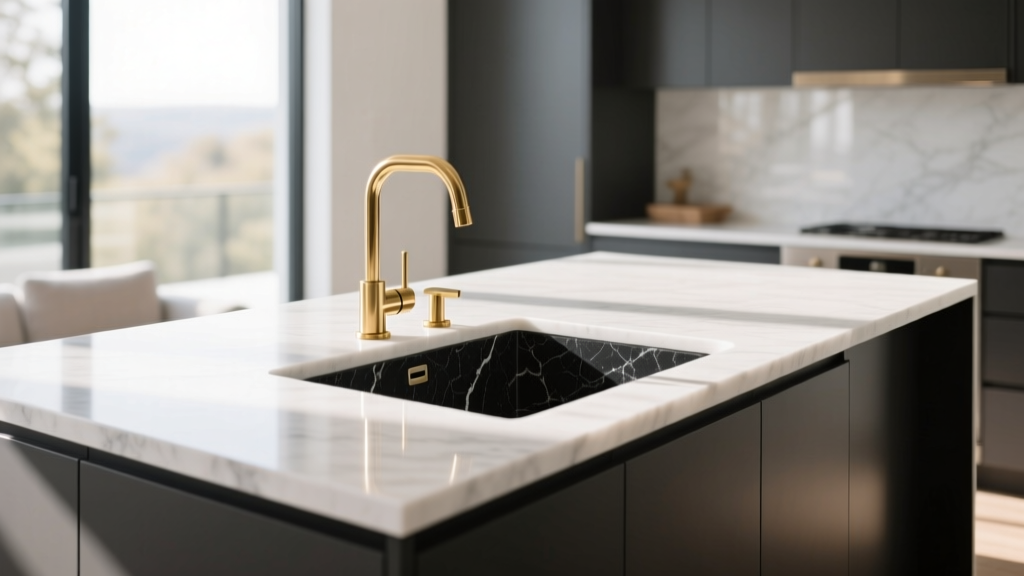
Material Deep-Dive: Performance vs. Price
1. Stainless Steel: The Gauge and Grade Imperative
Stainless steel remains the undisputed leader in commercial and residential kitchens due to its low cost and high durability. However, not all stainless is created equal. When evaluating what material is best for kitchen sink durability on a budget, you must look at the steel grade and gauge thickness.
- Grade: Always specify T-304 stainless steel (an 18/10 or 18/8 chromium-to-nickel ratio). Cheaper T-201 alternatives lack sufficient nickel, making them highly susceptible to rust and pitting from acidic foods and hard water.
- Gauge: The lower the number, the thicker the steel. A 16-gauge sink (0.0598 inches) costs roughly 30% more than an 18-gauge sink but resists denting from dropped cast-iron pans and significantly reduces vibration noise from garbage disposals.
- Corner Radius: Zero-radius (R0) corners offer a sharp, modern look but trap grime and require intense scrubbing. Opt for R10 or R15 tight-radius corners to balance modern aesthetics with easy wipe-down maintenance.
2. Fireclay and Enameled Cast Iron: The Weight Penalty
Fireclay is crafted from a blend of clay and glaze fired at approximately 2,900°F, fusing the materials into a single, non-porous unit. Enameled cast iron (like the iconic Kohler Whitehaven) offers a similar aesthetic but relies on a porcelain enamel baked onto heavy iron. Both materials are exceptionally resistant to scratching and staining, but their massive weight introduces severe hidden costs.
A standard 30-inch fireclay or cast iron apron-front sink weighs between 110 and 140 lbs. Standard base cabinets are not engineered to support this static load plus the dynamic weight of water and dishes. You must budget $150 to $300 for a carpenter to install 3/4-inch plywood bracing and custom support brackets inside the sink base cabinet before the countertop template is even measured.
3. Composite Granite: The Quartz-Acrylic Hybrid
Composite granite sinks, such as the Blanco Silgranit line, are engineered from roughly 80% quartz sand and 20% acrylic resin. They offer the visual depth of natural stone without the porosity or sealing requirements. Priced in the mid-tier, they are highly resistant to chipping and can withstand sustained temperatures up to 536°F (280°C). However, they are vulnerable to thermal shock; dumping boiling pasta water directly into a cold composite basin can cause micro-fractures over time.
4. Solid Copper: The Premium Living Finish
Copper sinks are luxury items, often chosen for high-end rustic or Mediterranean designs. A 14-gauge hand-hammered copper sink will cost upwards of $1,500. Copper possesses natural antimicrobial properties, but it features a 'living finish' that oxidizes and develops a patina. Acidic substances (lemon juice, tomatoes, vinegar) will strip the patina locally, requiring months to re-oxidize and blend. Maintenance requires periodic application of specialized copper wax to control the aging process.
Hidden Installation Variables That Break the Budget
According to Angi's kitchen sink installation cost data, the physical sink is often less than half of the total project expense. Contractors and homeowners must account for these fabrication and plumbing variables:
- Countertop Cutout Upgrades: A standard drop-in cutout in laminate or quartz costs $50 to $80. However, if you choose an undermount sink, fabricators must use CNC routing to create a polished edge profile. This undermount polishing fee typically adds $120 to $250 to the stone fabrication invoice.
- Apron-Front Cabinet Surgery: Retrofitting a farmhouse sink into existing cabinetry requires cutting away the false drawer front and modifying the countertop support frame. If the existing countertop is being retained, this surgery can cost $400 to $600 in specialized carpentry and finish work.
- Plumbing Reconfiguration: Moving from a shallow drop-in to a deep 10-inch undermount basin lowers the drain height. If your existing P-trap is too low, or if local code requires an air gap for the dishwasher that conflicts with the new sink depth, a plumber will charge $150 to $350 to reconfigure the DWV (drain-waste-vent) lines.
Lifecycle ROI: Decision Framework for Your Build
To determine what material is best for kitchen sink applications in your specific scenario, use this decision matrix based on project scope and user behavior:
Strategic Selection Guide
Scenario A: The Investment Property / Quick Flip
Choose: 18-Gauge T-304 Stainless Steel (Drop-in).
Why: Lowest initial cost ($150-$250), zero carpentry modifications, universal buyer appeal, and easily replaceable if damaged during staging.
Scenario B: The Heavy-Cook Forever Home
Choose: 16-Gauge Stainless Steel (Undermount) or Composite Granite.
Why: Withstands aggressive scrubbing, heavy cast-iron drops, and high heat. The 16-gauge steel dampens disposal noise, while composite hides hard water spotting better than polished steel.
Scenario C: The High-End Aesthetic Showcase
Choose: Fireclay Apron-Front.
Why: Unmatched visual warmth and architectural presence. The higher upfront and installation costs are justified by the immediate boost in perceived kitchen value and design authenticity.
Real-World Failure Modes and Edge Cases
Industry testing, such as the evaluations detailed in the Consumer Reports kitchen sink buying guide, reveals that material failure rarely happens from normal wear; it happens from chemical and thermal abuse.
Stainless Steel: Hard Water Etching and Scratching
While stainless steel won't crack, it is highly susceptible to cosmetic degradation. Using abrasive steel wool or leaving chloride-heavy cleaners (like bleach) in the basin will destroy the passive chromium oxide layer, leading to permanent pitting and rust. Furthermore, in regions with hard water, allowing tap water to air-dry on stainless steel leaves mineral deposits that etch the surface over time, requiring professional polishing to restore.
Fireclay: Crazing and Impact Chipping
Fireclay is incredibly hard, but it lacks tensile flexibility. Dropping a heavy enameled pot directly onto the drain grid can chip the glaze down to the raw clay body. Additionally, 'crazing'—a network of microscopic surface cracks—can occur if the sink is repeatedly subjected to extreme thermal shock, such as alternating between freezing water and boiling pots without running the tap to moderate the temperature.
Composite Granite: Alkaline Hazing
Homeowners often mistake composite granite for natural stone and clean it with harsh, alkaline-based degreasers or ammonia. These chemicals break down the acrylic resin binder near the surface, resulting in a permanent cloudy haze or white discoloration that cannot be buffed out. Maintenance requires only mild dish soap and periodic applications of food-grade mineral oil to maintain the color depth.
Ultimately, selecting the right sink material requires aligning your budget not just with the retail price, but with the structural realities of your kitchen cabinetry and your personal tolerance for maintenance. For further reading on material longevity and home component lifespans, refer to the This Old House sink selection guide, which corroborates the necessity of matching sink weight to cabinet integrity.
Written by
Elena RodriguezElena Rodriguez is a civil engineer and technical writer specializing in concrete technology, masonry systems, and ASTM/ACI compliance. She earned her B.S. in Civil Engineering from Texas A&M University and spent a decade at a materials testing laboratory, performing over 2,000 concrete compressive strength tests and masonry prism evaluations. Elena is an ACI-certified Field Testing Technician (Grade I) and a member of ASTM Committee C12 on Natural Building Stone. She currently consults on forensic engineering cases involving concrete failures and moisture intrusion. Based in San Antonio, TX, Elena is a proud member of the Society of Women Engineers (SWE) and coaches her daughter's FIRST Robotics team.
More from Elena Rodriguez
View all
Walls & Panels
Cost Analysis: Light Gauge Steel Framing Advantages and Disadvantages
Evaluate light gauge steel framing advantages and disadvantages through a strict cost analysis lens, comparing material, labor, and lifecycle expenses.
Aug 4, 2026

Walls & Panels
Gypsum Board Types: Exact Specifications, Thickness & Dimensions
Compare standard, Type X, and moisture-resistant gypsum board types. Get exact specifications, thicknesses, dimensions, and ASTM standards for your project.
Aug 4, 2026

Fire Resistance
Best Fire-Resistant Outdoor Decking Materials: 2026 Buyer Guide
Discover the best fire-resistant outdoor decking materials for 2026. Compare Class A PVC, aluminum, and hardwood options for WUI compliance and safety.
Aug 4, 2026