Best Stone Veneer Exterior Panels: 2026 Brand Review
Compare top stone veneer exterior panels for 2026. We review Cultured Stone, Eldorado, and Dutch Quality on cost, durability, and installation.

The Evolution of Panelized Stone Veneer Systems
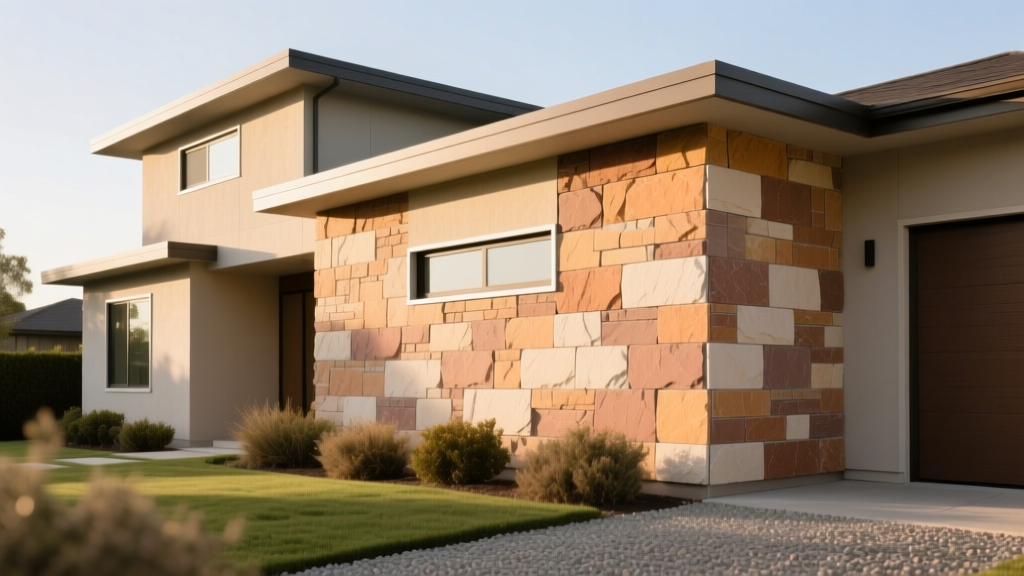
The transition from traditional hand-laid masonry to manufactured stone veneer exterior panels represents one of the most significant efficiency upgrades in modern cladding. Panelized systems group multiple stone profiles into interlocking, high-density concrete modules. This design eliminates the need for intricate corner cutting, drastically reduces mortar joint finishing, and accelerates installation timelines by up to 40%. For contractors and homeowners evaluating exterior cladding options in 2026, understanding the structural nuances, aesthetic fidelity, and moisture management requirements of these panel systems is critical to avoiding catastrophic failure modes like delamination or efflorescence.
Top 3 Stone Veneer Exterior Panel Brands Reviewed
1. Cultured Stone (Boral) – Heritage & Versatility
Cultured Stone, the pioneer of manufactured stone veneer, offers highly engineered panelized systems like the Pro-Fit and Country Ledgestone lines. The Pro-Fit series utilizes a proprietary interlocking edge design that allows panels to slide together seamlessly, hiding horizontal mortar joints almost entirely. Weighing in at approximately 10 to 12 pounds per square foot, these panels are light enough for standard wood-framed exterior walls without requiring supplemental structural reinforcement. The color layering technology utilizes iron oxide pigments suspended in a Portland cement base, providing UV stability that resists fading even in high-sun exposure zones.
2. Eldorado Stone – Architectural Authenticity
Eldorado Stone distinguishes itself with hyper-realistic texturing and deep color variation. Their Panelized LedgeStone and Cliffstone profiles are molded directly from natural stone quarries, capturing microscopic fissures and mineral deposits. Eldorado panels are slightly denser, averaging 12 to 14 pounds per square foot. The brand's proprietary Color-Through manufacturing process ensures that if a panel is chipped during installation or subsequent landscaping, the underlying concrete matches the surface hue, preventing unsightly gray blemishes. Eldorado's panels are exceptionally well-suited for large-scale commercial facades where visual repetition must be minimized.
3. Dutch Quality Stone – Premium Density & Texture
Dutch Quality Stone targets the luxury residential and high-end commercial market. Their exterior panels, particularly the Weathered Brick and Dry Stack panel systems, are formulated with a high-density concrete mix that includes lightweight aggregates for structural integrity without excessive weight. Dutch Quality panels feature a thicker profile (up to 2.5 inches at the deepest point), providing a more pronounced shadow line that mimics full-bed natural stone. While their material cost is at the premium end of the spectrum, the tactile authenticity and rigorous freeze-thaw testing (exceeding ASTM C67 standards) make them the preferred choice for harsh northern climates.
Head-to-Head Comparison Matrix
| Feature | Cultured Stone (Pro-Fit) | Eldorado Stone (Panelized) | Dutch Quality (Dry Stack) |
|---|---|---|---|
| Avg. Material Cost (2026) | $9.00 - $12.00 / sq ft | $10.50 - $14.00 / sq ft | $12.00 - $16.50 / sq ft |
| Weight per Sq Ft | 10 - 12 lbs | 12 - 14 lbs | 13 - 15 lbs |
| Joint Concealment | Excellent (Interlocking) | Very Good (Staggered) | Good (Mortar Required) |
| Warranty | 50-Year Limited | 50-Year Limited | Lifetime Limited |
| Best Application | High-volume residential | Commercial / Large facades | Luxury / Harsh climates |
Critical Installation & Failure Mode Analysis
The most common cause of stone veneer exterior panel failure is not the degradation of the concrete itself, but improper moisture management behind the cladding. Manufactured stone is highly porous; it absorbs and retains water. If the wall assembly lacks a proper drainage plane, trapped moisture will lead to efflorescence (white salt deposits), wood rot in the framing, and freeze-thaw spalling in colder regions.
Skipping the weep screed or using an impermeable weather-resistant barrier (WRB) directly against the mortar scratch coat guarantees moisture entrapment. According to building science principles outlined by Building Science Corporation, a drained and vented air space or a highly permeable WRB is mandatory to prevent hydrostatic pressure buildup and subsequent structural damage.
Mandatory Substrate Preparation
- Weather-Resistant Barrier (WRB): Apply two layers of Grade D building paper or a high-performance fluid-applied membrane over the exterior sheathing.
- Corrosion-Resistant Lath: Install self-furring, galvanized welded wire mesh (minimum 2.5 lbs per square yard) compliant with ASTM C847. Fasten every 6 inches into the wall studs, not just the sheathing.
- Weep Screed: A corrosion-resistant weep screed (ASTM C1063) must be installed at the base of the wall, a minimum of 4 inches above grade or 2 inches above paved surfaces, to allow trapped water to escape.
- Scratch Coat: Apply a 1/2-inch Portland cement scratch coat and score it horizontally to provide a mechanical key for the panel mortar.
Mortar Selection: Type S vs. Type N
Choosing the correct mortar is critical for panelized stone systems. The Masonry Society and ASTM C270 guidelines dictate that Type S mortar (high compressive strength, minimum 1,800 psi) is generally required for exterior veneer applications due to its superior bond strength and resistance to lateral forces. However, in regions with extreme seismic activity or highly flexible wood framing, some structural engineers specify Type N mortar (minimum 750 psi) because its higher elasticity allows it to absorb structural movement without cracking the stone panels. Always verify local building codes and the specific veneer manufacturer's installation guidelines before mixing mortar.
2026 Cost Breakdown: Materials vs. Labor
When budgeting for stone veneer exterior panels, material costs represent only a fraction of the total project expense. Labor, substrate preparation, and scaffolding significantly impact the final price. According to recent cladding cost analyses tracked by the National Association of Home Builders (NAHB), exterior veneer labor rates have stabilized but remain a premium trade.
| Cost Component | Low End (Basic Profile) | High End (Premium Panel) |
|---|---|---|
| Panels & Trim Pieces | $9.00 / sq ft | $16.50 / sq ft |
| Substrate (Lath, WRB, Screed) | $2.50 / sq ft | $4.00 / sq ft |
| Mortar & Consumables | $1.50 / sq ft | $2.50 / sq ft |
| Professional Labor | $12.00 / sq ft | $22.00 / sq ft |
| Total Installed Cost | $25.00 / sq ft | $45.00 / sq ft |
Final Verdict: Matching the Panel to the Project
Selecting the right stone veneer exterior panel system requires balancing aesthetic goals, climate demands, and budget constraints. For high-volume residential builders seeking rapid installation without sacrificing curb appeal, Cultured Stone's Pro-Fit interlocking panels offer the best return on investment, minimizing labor hours and mortar consumption. For architects designing large commercial facades where visual monotony is a primary concern, Eldorado Stone provides the color variation and deep texturing necessary to mimic natural quarry stone. Finally, for custom luxury homes in regions subjected to severe freeze-thaw cycles, the premium density and lifetime warranty of Dutch Quality Stone justify the higher upfront material cost. Regardless of the brand chosen, strict adherence to ASTM standards for lath, weep screeds, and mortar selection remains the ultimate determinant of the cladding's longevity.
Written by
Sarah WhitfieldSarah Whitfield is a chartered quantity surveyor (MRICS) and construction cost analyst with 15 years of experience in material pricing, procurement strategy, and project budgeting. She earned her degree in Construction Management from the University of Reading (UK) and has worked on projects ranging from $2M custom homes to $180M mixed-use developments across North America and Europe. Sarah currently leads cost estimating for BuildMat Insight, maintaining a proprietary database of 4,000+ material price points updated quarterly. She is a frequent contributor to RSMeans cost data panels and has presented at the International Cost Engineering Council (ICEC) congress. Based in Denver, CO, Sarah is an avid trail runner and volunteer mentor for Women in Construction.
More from Sarah Whitfield
View all
Wood & Lumber
What Are the Different Types of Wood? A Builder's Guide
Compare structural softwoods, finish hardwoods, and engineered lumber. Analyze Janka ratings, MOE values, and 2026 pricing for construction.
Aug 4, 2026

Walls & Panels
Steel Framing vs Wood Framing: Corrosion and Moisture Defense
Compare steel framing vs wood framing for moisture resistance. Learn about galvanized coatings, condensation risks, and corrosion protection strategies.
Jul 21, 2026

Stone & Masonry
How to Cut Stone Veneer: Wet Saw vs Grinder Comparison
Compare the best tools for cutting stone veneer. We review wet saws, angle grinders, and chop saws to help you achieve clean, chip-free cuts.
Jul 21, 2026