2026 Stone Veneer Front Porch Cost Breakdown & ROI Guide
Discover the 2026 cost to install a stone veneer front porch. Compare manufactured vs. natural stone pricing, labor rates, and ROI data.

The True Cost of a Stone Veneer Front Porch in 2026
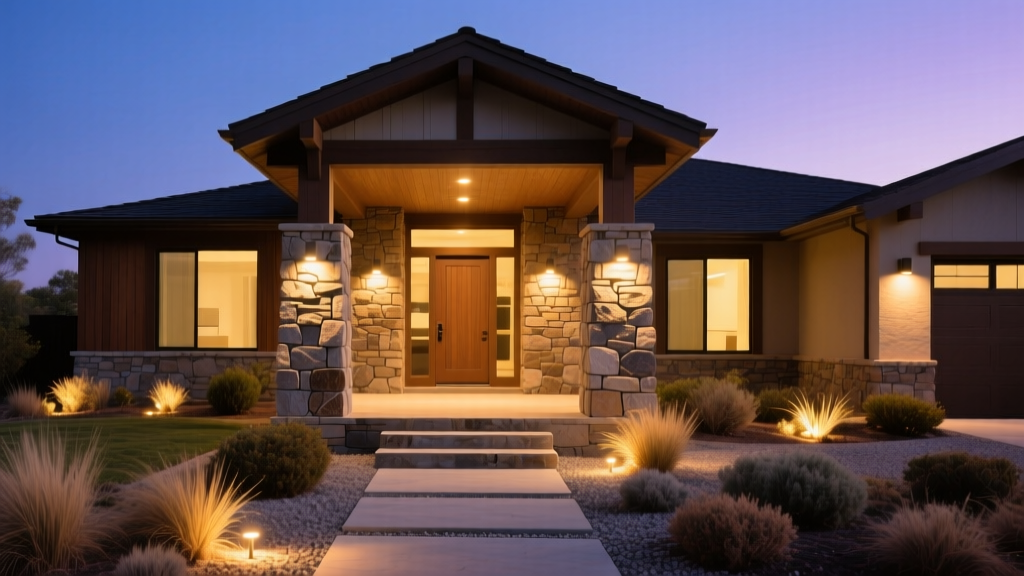
Upgrading your entryway with a stone veneer front porch remains one of the most effective exterior renovations for boosting curb appeal and property value. However, pricing fluctuates based on material density, structural preparation requirements, and regional labor rates. In 2026, homeowners can expect to pay between $22 and $48 per square foot for a fully installed, code-compliant stone veneer application on porch pillars, skirting, or knee walls.
Quick Cost Summary (National Averages 2026)
- Manufactured Stone Veneer (MSV): $22 - $34 per sq. ft. installed
- Natural Stone Veneer (NSV): $32 - $48+ per sq. ft. installed
- Average 150 sq. ft. Porch Project: $3,800 - $7,200 total
- Average ROI at Resale: 92% - 102% (Manufactured Stone)
Material Breakdown: Manufactured vs. Natural Stone Veneer
The single largest variable in your budget is the choice between manufactured stone veneer (MSV) and natural stone veneer (NSV). While both offer exceptional aesthetics, their weight profiles and installation requirements dictate the final cost.
Manufactured Stone Veneer (MSV)
Brands like Eldorado Stone and Cultured Stone dominate the MSV market. Cast from Portland cement, lightweight aggregates, and iron oxide pigments, MSV weighs approximately 10 to 12 lbs per square foot. This lighter weight is critical for wood-framed porch structures, as it often eliminates the need for expensive structural reinforcement of the porch floor joists or skirting framing. Material costs range from $6.50 to $12.00 per square foot for flat pieces.
Natural Stone Veneer (NSV)
Natural options—such as limestone, slate, or fieldstone—are sliced to a 1-inch to 2-inch thickness. Despite being thinner than full-bed stone, NSV still weighs 15 to 25+ lbs per square foot. If your porch is elevated and wood-framed, a structural engineer may need to verify that the joists can handle the dead load, potentially adding $500 to $1,500 in blocking and reinforcement costs. Natural materials cost between $12.00 and $22.00 per square foot.
| Cost Factor | Manufactured (MSV) | Natural (NSV) |
|---|---|---|
| Flat Material (per sq. ft.) | $6.50 - $12.00 | $12.00 - $22.00 |
| Corner Pieces (per linear ft.) | $9.00 - $16.00 | $18.00 - $35.00 |
| Weight (per sq. ft.) | 10 - 12 lbs | 15 - 25+ lbs |
| Sealing Required? | Rarely | Yes (Exterior Grade) |
| Labor Rate (per sq. ft.) | $15.00 - $22.00 | $20.00 - $28.00 |
The Hidden Costs: Wall Assembly and Preparation
Amateur budgets often fail because they only calculate the stone and mortar. A code-compliant exterior stone veneer front porch requires a specific water-management assembly. According to Angi's masonry cost guidelines, preparation and backing materials account for 15% to 20% of the total project cost.
Your contractor must install the following layers over wood or metal framing:
- Weather-Resistive Barrier (WRB): Two layers of Grade D building paper or a modern fluid-applied membrane.
- Weep Screed: A galvanized or PVC weep screed (compliant with ASTM C1063) installed at the base of the porch skirting to allow trapped moisture to escape. Skipping this causes catastrophic efflorescence and wood rot.
- Metal Lath: Self-furring, galvanized diamond mesh lath (minimum 2.5 lbs per sq. yd.) nailed into the framing studs, not just the sheathing.
- Scratch Coat: A 1/2-inch layer of Type S or Type N mortar to create a bonding surface.
Manufacturers sell flat stones by the square foot, but corner pieces are sold by the linear foot. A single linear foot of corner stone often costs 30% to 50% more than a square foot of flat stone. If your porch features multiple wrapped pillars, your corner material costs can easily exceed your flat material costs. Always measure linear edges separately when requesting quotes.
Labor Rates and Contractor Variables
Masonry labor for exterior veneer applications typically ranges from $15 to $28 per square foot. However, porch-specific complexities can push labor rates higher. Working on porch pillars requires the mason to constantly check for plumb and level on multiple axes, slowing down the installation rate compared to a flat, continuous foundation wall.
Furthermore, the type of mortar matters. For natural stone, masons must use Type N mortar (ASTM C270), which is softer and more flexible, allowing it to absorb the natural expansion and contraction of the stone without causing spalling. Using a harder Type S mortar on soft natural limestone will result in cracked stones within a few freeze-thaw cycles. Expect to pay a premium for masons who understand historic and natural stone mortar chemistry.
ROI and Curb Appeal: Is the Investment Worth It?
From a purely financial perspective, a stone veneer front porch is one of the most resilient exterior upgrades you can make. Data consistently tracked by Remodeling Magazine's Cost vs. Value Report shows that manufactured stone veneer replacements routinely recoup between 92% and 102% of their project cost at resale, depending on the regional housing market.
"Buyers immediately perceive a home with stone porch pillars and skirting as a premium, custom-built property. The tactile, grounded aesthetic of stone anchors the home to the landscape, providing an immediate psychological boost to perceived property value that vinyl or aluminum siding simply cannot replicate."
Step-by-Step Budgeting Framework for Your Porch
To generate an accurate budget for your specific home, follow this calculation framework before soliciting contractor bids:
- Calculate Flat Square Footage: Measure the height and width of all porch skirting and pillar faces. Multiply to get total square footage. Add 10% for waste and cuts.
- Measure Linear Corners: Measure the total vertical height of all outside corners (pillars and skirt edges). Multiply by the linear foot cost of your chosen stone profile.
- Factor in Demolition: If removing existing brick, stucco, or wood skirting, add $3 to $6 per square foot for tear-out and dumpster fees.
- Include Water Management: Allocate $2.50 to $4.00 per linear foot for weep screed installation, plus $1.50 per square foot for WRB and metal lath.
- Apply Regional Labor Multipliers: Multiply your total material cost by 1.5 (for low-cost rural areas) or 2.5 (for high-cost urban markets like the Northeast or West Coast) to estimate total installed cost.
Common Installation Mistakes That Destroy Your Budget
Avoid these critical errors that lead to premature failure and expensive remediation:
- Missing Clearance Grades: Stone veneer must terminate at least 4 inches above the earth grade and 2 inches above paved surfaces like porch concrete decks. Burying the weep screed in soil or concrete wicks moisture directly into the wall cavity.
- Ignoring Freeze-Thaw Ratings: If you live in a climate with hard freezes, ensure your natural stone is rated for exterior freeze-thaw cycles. Highly porous sandstones will delaminate and crack if water penetrates and freezes.
- Applying Directly to CMU without a Bond Coat: If your porch sits on a poured concrete or cinder block stem wall, metal lath is not always required, but a specialized masonry bonding agent or scratch coat is mandatory to prevent the mortar from pulling away from the smooth concrete surface.
Frequently Asked Questions
Can I install stone veneer over my existing wood porch pillars?
Yes, but you cannot apply it directly to wood or siding. The existing wrap must be stripped to the studs or sheathing. You must then install a WRB, metal lath, and a scratch coat before applying the stone. Because wood pillars are usually small, the corner pieces will dominate your material list.
Does natural stone veneer require annual sealing?
Exterior natural stone on a porch should be sealed with a breathable, silane/siloxane penetrating sealer every 3 to 5 years. This prevents water absorption and subsequent freeze-thaw damage. Do not use film-forming acrylic sealers, as they trap moisture inside the stone and cause spalling. Manufactured stone generally does not require sealing unless specified by the manufacturer for specific color retention.
How long does a 150 sq. ft. porch veneer project take?
A professional two-person masonry crew will typically complete a 150 sq. ft. porch skirting and pillar project in 3 to 5 days. Day 1 is dedicated to demolition, WRB, and lath. Day 2 is the scratch coat and curing. Days 3 through 5 are dedicated to setting the stone and tooling the mortar joints.
Written by
Sarah WhitfieldSarah Whitfield is a chartered quantity surveyor (MRICS) and construction cost analyst with 15 years of experience in material pricing, procurement strategy, and project budgeting. She earned her degree in Construction Management from the University of Reading (UK) and has worked on projects ranging from $2M custom homes to $180M mixed-use developments across North America and Europe. Sarah currently leads cost estimating for BuildMat Insight, maintaining a proprietary database of 4,000+ material price points updated quarterly. She is a frequent contributor to RSMeans cost data panels and has presented at the International Cost Engineering Council (ICEC) congress. Based in Denver, CO, Sarah is an avid trail runner and volunteer mentor for Women in Construction.
More from Sarah Whitfield
View all
Wood & Lumber
What Are the Different Types of Wood? A Builder's Guide
Compare structural softwoods, finish hardwoods, and engineered lumber. Analyze Janka ratings, MOE values, and 2026 pricing for construction.
Aug 4, 2026

Walls & Panels
Steel Framing vs Wood Framing: Corrosion and Moisture Defense
Compare steel framing vs wood framing for moisture resistance. Learn about galvanized coatings, condensation risks, and corrosion protection strategies.
Jul 21, 2026

Stone & Masonry
How to Cut Stone Veneer: Wet Saw vs Grinder Comparison
Compare the best tools for cutting stone veneer. We review wet saws, angle grinders, and chop saws to help you achieve clean, chip-free cuts.
Jul 21, 2026