Fortress Evolution Steel Deck Framing: Grades & Coatings Explained
Analyze the steel grades, yield strengths, and advanced coatings behind Fortress Evolution steel deck framing for superior outdoor structural performance.

The Metallurgy Behind Fortress Evolution Steel Deck Framing
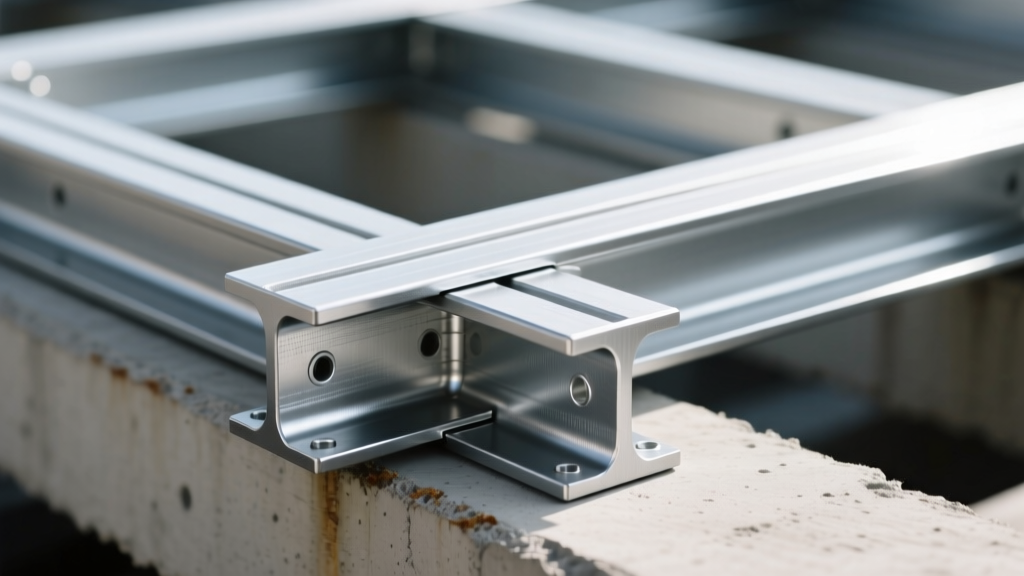
The transition from pressure-treated lumber to cold-formed steel (CFS) in outdoor applications has accelerated through 2026, driven by the increasing weight of modern composite decking and stricter municipal snow-load codes. At the premium end of this market is the Fortress Evolution steel deck framing system. Unlike standard light-gauge steel joists, the Evolution line is engineered with specific metallurgical profiles and advanced corrosion-resistant coatings designed explicitly for the high-moisture, high-UV outdoor environment.
Understanding the base steel grades, yield strengths, and coating technologies is critical for structural engineers, custom home builders, and high-end residential contractors specifying this system. According to the Cold-Formed Steel Engineers Institute (CFSEI), the structural integrity of any CFS member relies entirely on the base metal's yield strength and the protective coating's adherence during roll-forming.
Base Steel Grades: ASTM A1008 vs. A1011
Premium steel deck joists are typically roll-formed from either ASTM A1008 (cold-rolled) or ASTM A1011 (hot-rolled) base metals. The Fortress Evolution system utilizes high-strength structural steel that undergoes a precise cold-rolling process prior to galvanization and roll-forming. This cold-working process increases the steel's tensile strength and ensures exceptionally tight dimensional tolerances—often within 1/32 of an inch—eliminating the twisting, bowing, and crowning inherent in pressure-treated Southern Yellow Pine.
Yield Strength and Load-Bearing Capacities
The most significant differentiator in steel deck framing is the yield strength, measured in kilopounds per square inch (ksi). Standard commercial steel studs often use Grade 33 (33 ksi) steel. However, outdoor deck framing must support heavy composite boards (which can weigh up to 3.5 lbs per linear foot) plus dynamic live loads from gatherings and snow accumulation.
| Steel Grade | Yield Strength | Typical Application | Max Span (2x8 Joist @ 16" OC) |
|---|---|---|---|
| Grade 33 | 33 ksi | Interior non-load bearing walls | 10' 4" |
| Grade 50 (Evolution Standard) | 50 ksi | Exterior deck joists, structural tracks | 14' 2" |
| Grade 80 | 80 ksi | Heavy commercial trusses, purlins | 17' 6" (Requires specialized engineering) |
Advanced Coating Technologies: Beyond Standard G90 Galvanization
Base steel strength is irrelevant if the joist rusts through after a decade of exposure to rain and de-icing salts. Standard interior steel framing uses a G60 or G90 zinc coating (ASTM A653). While adequate for dry interiors, G90 is insufficient for ground-level or marine-environment decks.
The Fortress Evolution system employs an advanced Zinc-Aluminum-Magnesium (Zn-Al-Mg) metallic coating, often classified under ASTM A792 standards (similar to AZ50 or AZ100). This metallurgical triad provides a dual-defense mechanism:
- Barrier Protection: The aluminum component forms a dense, stable aluminum-oxide layer on the surface that physically blocks moisture and UV degradation.
- Sacrificial (Galvanic) Protection: The zinc and magnesium components act as sacrificial anodes. If the joist is scratched or cut, the magnesium migrates to seal the micro-crack, preventing red rust from forming at the exposed edge.
According to testing data referenced by the Steel Framing Industry Alliance (SFIA), Zn-Al-Mg coatings can provide up to four times the corrosion resistance of standard G90 galvanized coatings in high-chloride environments.
Installation Tolerances and Fastener Compatibility
Working with 50 ksi high-strength coated steel requires specific fastening protocols to maintain the integrity of the corrosion barrier and prevent galvanic corrosion. The North American Deck and Railing Association (NADRA) emphasizes that improper fastener selection is the leading cause of premature failure in steel deck substructures.
Never use standard uncoated carbon steel or basic zinc-plated screws with the Evolution system. The dissimilar metals, combined with the Zn-Al-Mg coating, will create a galvanic cell in the presence of moisture, rapidly corroding the fastener and compromising the joist.
Approved Fastener Specifications
- Joist-to-Track Connections: Use #10 or #12 self-drilling hex washer head screws with neoprene sealing washers. The drill point must be a #3 or #4 point to penetrate 50 ksi steel without snapping the screw shaft.
- Decking Attachment: When fastening composite or PVC decking to the steel joists, use specialized ceramic-coated or zinc-flake coated deck screws designed for steel framing. These feature a Type-17 auger point to clear debris and a self-countersinking head.
- Stainless Steel: While 305 or 316 stainless steel screws offer excellent corrosion resistance, they are softer than 50 ksi steel. Pre-drilling is mandatory if using stainless steel fasteners for structural connections.
Cutting and Field-Treating Protocols
Cutting high-strength steel framing in the field generates intense heat, which can vaporize the protective metallic coating at the cut line. To preserve the warranty and structural longevity of the Fortress Evolution system, adhere to the following field protocols:
- Primary Cutting Method: Use a chop saw equipped with a ferrous-metal specific carbide-tipped blade (e.g., a 72-tooth cold-cutting blade). This shears the metal cleanly with minimal heat generation.
- Prohibited Tools: Avoid abrasive cutoff wheels or reciprocating saws with bi-metal blades. These tools generate excessive heat, burning off the Zn-Al-Mg coating and leaving a raw, highly susceptible edge.
- Cold Galvanizing Compound: Any field cut or drilled hole must be immediately treated with a zinc-rich cold galvanizing compound (minimum 93% zinc dust in the dry film) to restore the sacrificial anode protection.
Cost Analysis: Fortress Evolution vs. Traditional Materials (2026 Pricing)
While the upfront material cost for premium steel framing is higher than wood, the total installed cost and lifecycle ROI present a compelling case for custom builds and commercial projects.
| Material Type | Material Cost (per Linear Foot) | Labor/Framing Cost Factor | Expected Lifespan |
|---|---|---|---|
| Pressure-Treated Pine (Ground Contact) | $4.50 - $6.50 | 1.0x (Baseline) | 15 - 20 Years |
| Standard G90 Galvanized Steel Joists | $8.00 - $11.00 | 1.2x (Requires specialized screws/snips) | 30 - 40 Years |
| Fortress Evolution (Zn-Al-Mg Coated) | $14.50 - $18.50 | 1.15x (Lighter weight, faster layout) | 50+ Years (Limited Lifetime Warranty) |
When factoring in the elimination of joist taping (required for wood to prevent moisture trapping under composite boards) and the reduction in callbacks for squeaky or uneven decks due to wood warping, the Fortress Evolution system often achieves cost-parity with premium wood framing by year 12 of ownership.
Final Structural Considerations
Specifying the Fortress Evolution steel deck framing system requires a shift in how contractors approach the substructure. The 50 ksi yield strength allows for optimized beam placements, while the advanced Zn-Al-Mg coating eliminates the need for joist tape and flashings required in wood framing. By strictly adhering to the required fastener specifications and cold-cutting protocols, builders can deliver a perfectly flat, rot-proof, and structurally superior deck that perfectly supports the heavy, high-performance composite decking materials dominating the 2026 market.
Written by
Sarah WhitfieldSarah Whitfield is a chartered quantity surveyor (MRICS) and construction cost analyst with 15 years of experience in material pricing, procurement strategy, and project budgeting. She earned her degree in Construction Management from the University of Reading (UK) and has worked on projects ranging from $2M custom homes to $180M mixed-use developments across North America and Europe. Sarah currently leads cost estimating for BuildMat Insight, maintaining a proprietary database of 4,000+ material price points updated quarterly. She is a frequent contributor to RSMeans cost data panels and has presented at the International Cost Engineering Council (ICEC) congress. Based in Denver, CO, Sarah is an avid trail runner and volunteer mentor for Women in Construction.
More from Sarah Whitfield
View all
Wood & Lumber
What Are the Different Types of Wood? A Builder's Guide
Compare structural softwoods, finish hardwoods, and engineered lumber. Analyze Janka ratings, MOE values, and 2026 pricing for construction.
Aug 4, 2026

Walls & Panels
Steel Framing vs Wood Framing: Corrosion and Moisture Defense
Compare steel framing vs wood framing for moisture resistance. Learn about galvanized coatings, condensation risks, and corrosion protection strategies.
Jul 21, 2026

Stone & Masonry
How to Cut Stone Veneer: Wet Saw vs Grinder Comparison
Compare the best tools for cutting stone veneer. We review wet saws, angle grinders, and chop saws to help you achieve clean, chip-free cuts.
Jul 21, 2026